Varicose Veins and Hypersensitivity to Cold: A Study’s Surprising Findings
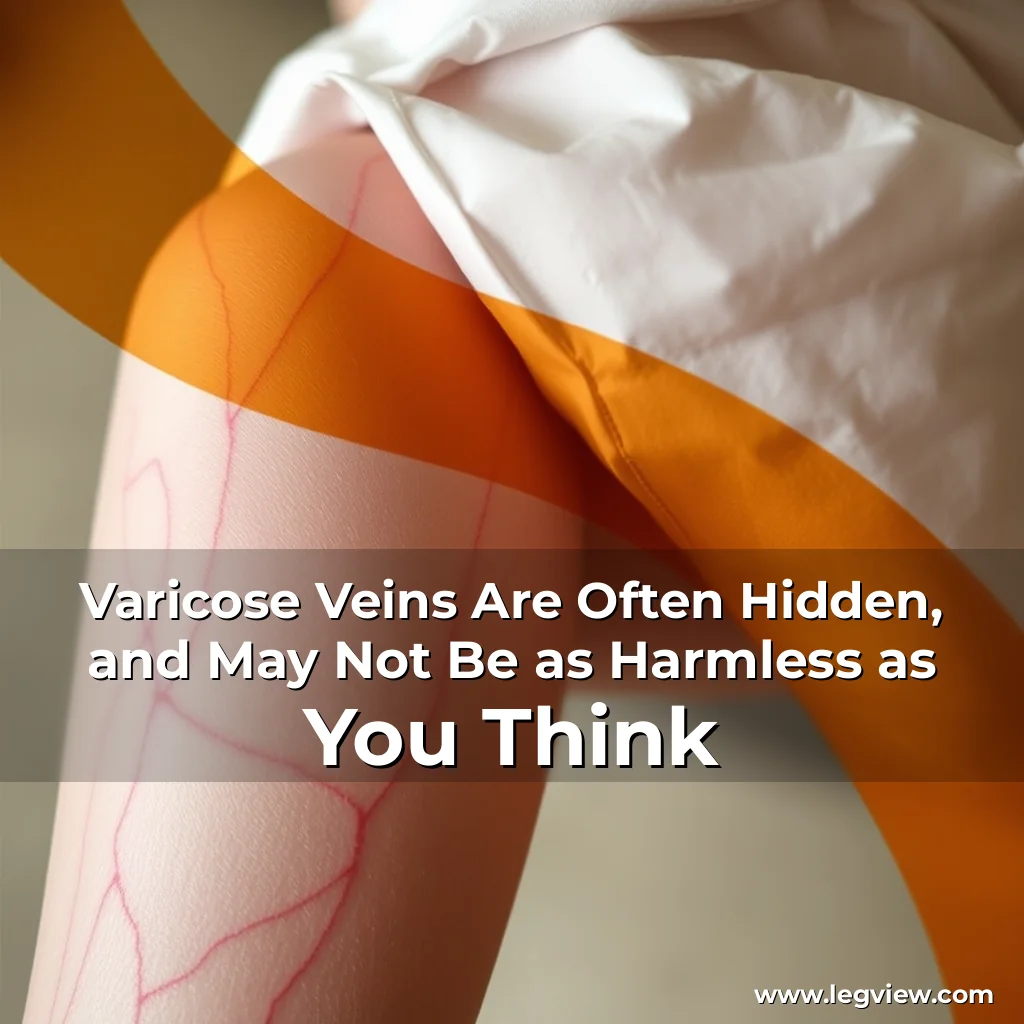
A recent study on varicose veins, published in the journal Open Heart, has brought attention to a lesser-known aspect of the condition – the connection between varicose veins and hypersensitivity to cold. The study, which analyzed data from over 8,700 adults aged 30 to 70, found that people who reported being moderately or severely sensitive to cold in their feet had a significantly higher chance of developing varicose veins. The study’s findings suggest that varicose veins may not always be as harmless as they seem. While they can be a cosmetic issue, varicose veins can also cause discomfort, pain, and other complications that can affect daily life.
Symptoms That May Indicate Varicose Veins
So, what are some common symptoms that may indicate varicose veins? These can include:
- Leg heaviness or fatigue
- Sensation of heaviness in the legs
- Swelling or inflammation in the legs or feet
- Warm or aching sensations in the legs or feet
If you experience any of these symptoms, it is essential to talk to your doctor and discuss them further.
Leg Heaviness May Be a Better Indicator of Varicose Veins Than Cold Feet
The study’s findings also suggest that leg heaviness may be a better indicator of varicose veins than cold feet. According to Dr. Nakazawa, people who reported being extremely sensitive to cold in their feet had only a 14% chance of developing varicose veins.
Recognizing Symptoms of Venous Reflux
Recognizing symptoms of venous reflux, such as leg heaviness or cold feet, can be crucial in getting the right treatment. Dr. Thompson emphasizes the importance of seeking medical attention if you experience any uncomfortable symptoms.
Early Treatment Can Help
Early treatment can help alleviate symptoms and prevent complications. Treatment typically starts with compression therapy, which can help reduce swelling and promote blood flow.
| Compression Therapy | Wearing compression socks while walking or standing | Elevating the legs with pillows when sleeping or laying down |
While varicose veins are usually not a big deal, they can cause complications such as blood clots or ulcers in severe cases. Early recognition and timely intervention are crucial in these cases.
In rare severe cases, treatments such as sclerotherapy, a minimally invasive outpatient treatment, can reroute blood through healthier veins in the legs.
Varicose veins are more common in women and people with a family history of varicose veins. Nakazawa recommends that people who plan to have multiple pregnancies wait until they are done having kids to pursue any treatment beyond compression and elevation, since pregnancy commonly exacerbates the condition.

news is a contributor at LegView. We are committed to providing well-researched, accurate, and valuable content to our readers.