The Ultimate Roadmap to Varicose Veins Treatment: Understanding Options, Prevention, and Recovery
If you’re experiencing swollen, twisted veins on your legs that cause discomfort or aesthetic concern, you’re not alone. Varicose veins affect over 40 million Americans, making them one of the most common circulatory conditions worldwide.
This comprehensive guide explores everything from medical treatments to lifestyle modifications, empowering you to take control of your vascular health and find relief from this widespread issue.
Understanding the Root Causes of Varicose Veins
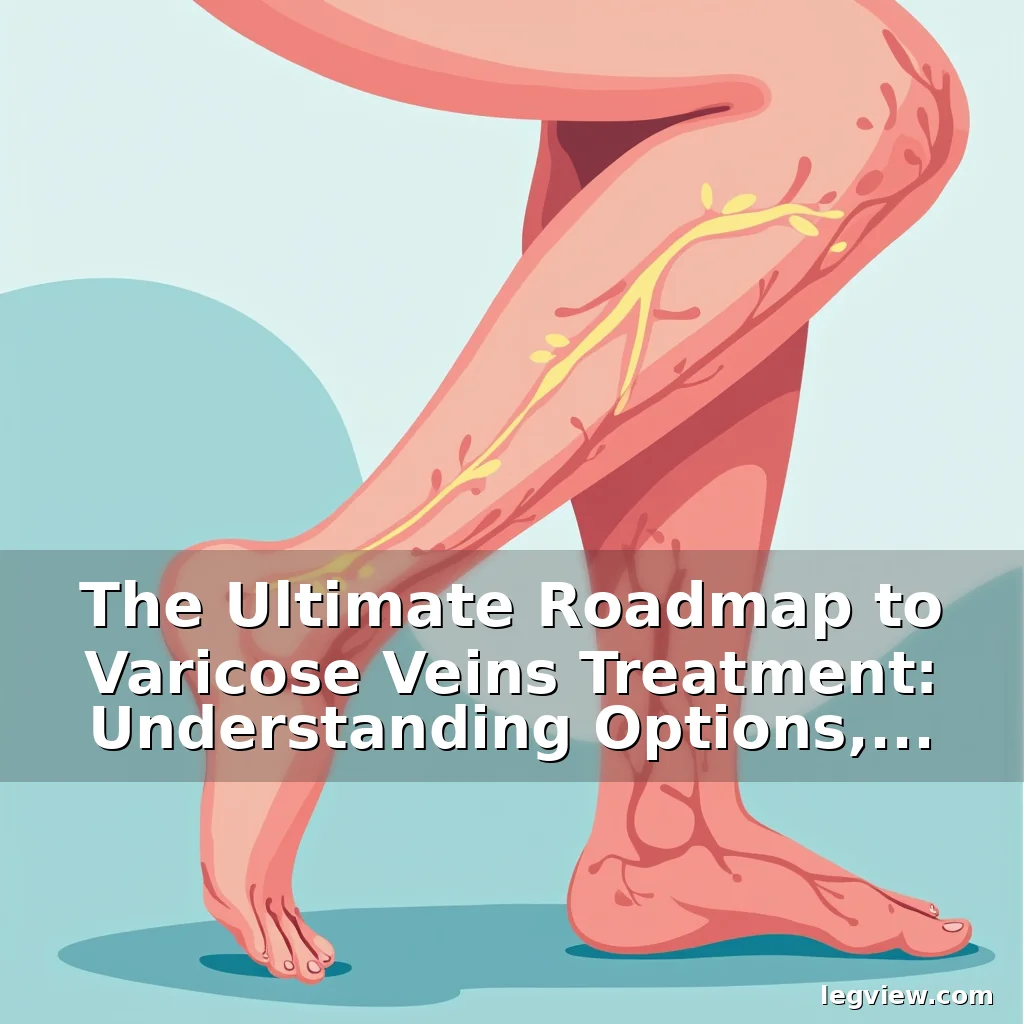
Varicose veins develop when the valves within leg veins become weakened or damaged. These valves are responsible for ensuring blood flows upward toward the heart against gravity.
When valves fail, blood pools in the lower extremities, causing veins to swell and bulge. This condition is often referred to as chronic venous insufficiency.
Several factors contribute to valve dysfunction including genetics, age-related changes, hormonal fluctuations, obesity, and prolonged standing or sitting.
Pregnancy also plays a significant role due to increased pressure on pelvic veins and hormonal shifts that weaken connective tissues.
- Genetics: A family history significantly increases risk, particularly if both parents have had varicose veins
- Aging: Weakened vein walls and valves naturally occur with time, typically after age 50
- Lifestyle Factors: Sedentary work habits, high salt diets, and lack of physical activity contribute to poor circulation
Recognizing Common Symptoms and Complications
Early signs of varicose veins may be subtle but can progress rapidly without intervention. Noticeable symptoms usually appear once the condition has developed substantially.
Mild cases might show up as spider veins – small red or blue thread-like patterns near the skin’s surface. More severe instances involve larger, raised veins that feel hard and ropey under the touch.
Common associated symptoms include heaviness, cramping, burning sensations, and throbbing pain in the affected area. Nighttime swelling is especially prevalent.
Untreated varicose veins can lead to serious complications such as venous ulcers, deep vein thrombosis (DVT), and pulmonary embolism through blood clot formation.
Chronic inflammation may result in dermatitis characterized by dryness, itching, and discoloration around the ankles.
Non-Invasive Treatment Approaches
For mild cases where appearance concerns outweigh functional issues, conservative management strategies offer effective solutions without surgical risks.
Elevation therapy involves keeping legs elevated above heart level for at least 15 minutes several times daily to reduce swelling and promote better circulation.
Cold compression wraps provide temporary relief by constricting blood vessels and reducing inflammation while maintaining pressure on the affected area.
Daily walks lasting 30 minutes help strengthen calf muscles which act as natural pumps for returning blood to the heart.
Leg exercises specifically targeting venous return mechanics, such as ankle rotations and toe raises, can significantly improve blood flow efficiency.
Compression Therapy: The Cornerstone of Management
Graduated compression stockings apply increasing pressure along the length of the leg to assist blood movement back towards the torso.
These specialized garments come in various pressure levels measured in millimeters of mercury (mmHg) depending on severity requirements.
Proper fitting is crucial since ill-fitting socks can exacerbate problems rather than alleviate them. Professional measurements ensure optimal effectiveness.
Modern compression wear offers improved comfort features compared to traditional styles while still delivering therapeutic benefits.
Regular replacement every six months maintains consistent performance as fabric elasticity diminishes over time.
Sclerotherapy Treatments for Visible Veins
Sclerotherapy remains one of the most popular procedures for addressing cosmetic concerns related to varicose veins. It works by injecting a special solution directly into affected vessels.
The injected substance irritates the lining of the vein, triggering an inflammatory response that causes the vessel walls to stick together and eventually close off.
This minimally invasive technique is commonly used for treating smaller superficial veins ranging from 1 mm to 3 mm in diameter.
Variations exist between different types of sclerosants available today offering varying degrees of efficacy based on patient profiles and vein characteristics.
Foam sclerotherapy provides enhanced coverage for larger veins by creating greater contact surface area during injection.
Laser and Light-Based Therapies
Endovenous laser ablation (EVLA) represents a groundbreaking advancement in varicose vein treatment using targeted heat energy to seal defective veins.
A thin fiber optic cable is inserted inside the faulty vein containing the laser device. As light pulses travel through the catheter, they generate controlled thermal damage to the vessel wall.
This procedure typically takes less than an hour and allows patients to resume normal activities shortly afterward with minimal downtime.
Similar principles apply to radiofrequency ablation (RFA) although instead of lasers, electromagnetic waves produce comparable results through tissue heating mechanisms.
Newer generation devices now feature adjustable power settings tailored to individual anatomical variations enhancing procedural safety margins.
Minimally Invasive Surgical Techniques
In cases requiring more extensive intervention, endoscopic surgery offers precise removal of problematic veins through tiny incisions utilizing advanced visualization technology.
Phlebectomy involves extracting diseased veins manually through micro-perforations made in the skin allowing complete removal without damaging surrounding structures.
Closure techniques combine mechanical disruption with chemical agents to achieve permanent occlusion of malfunctioning vessels safely.
Robotic-assisted approaches are gaining popularity for their precision capabilities enabling surgeons to perform complex operations with heightened accuracy.
All these methods benefit from local anesthesia options minimizing overall recovery periods and postoperative discomfort.
Preventative Measures and Lifestyle Modifications
Adopting proactive measures can dramatically decrease chances of developing new varicose veins even among genetically predisposed individuals.
Regular physical activity enhances cardiovascular fitness improving general circulation throughout body systems including peripheral vasculature networks.
Maintaining ideal weight reduces undue strain placed upon lower limb support structures decreasing likelihood of valvular incompetence occurring prematurely.
Wearing supportive footwear with adequate arch reinforcement helps maintain proper biomechanics preventing excessive load distribution onto venous channels.
Limiting prolonged stationary positions whether sitting or standing encourages periodic movement facilitating continuous venous return processes.
Nutritional Considerations for Vascular Health
Dietary choices play pivotal roles in supporting healthy vascular function and mitigating potential risk factors contributing to varicose vein development.
Foods rich in flavonoids enhance capillary integrity strengthening fragile blood vessel walls against internal stressors.
Omega-3 fatty acids found primarily in cold water fish possess anti-inflammatory properties beneficial for managing existing venous disorders.
Increasing dietary intake of vitamin C promotes collagen synthesis essential for maintaining structural stability across connective tissues involved in vein maintenance.
Hydration status directly impacts viscosity levels determining ease with which fluids traverse through venous pathways so adequate water consumption remains vital.
Medical Evaluation and Diagnostic Procedures
Before initiating any treatment protocol, obtaining accurate diagnosis through appropriate imaging studies ensures targeted interventions aligned with actual pathology present.
Doppler ultrasound examinations remain gold standard assessments providing real-time visualizations of blood flow dynamics within leg vessels.
Color-coded duplex scans enable identification of reflux phenomena helping clinicians determine extent of valvular failure accurately.
Angiography procedures involving contrast dye injections allow three-dimensional mapping of entire venous network configurations useful for pre-operative planning.
Blood tests screening coagulation profiles aid in assessing bleeding tendencies before undergoing procedures carrying minor hemorrhage risks.
Post-Treatment Care and Recovery Protocols
Following successful varicose vein treatment, adhering strictly to prescribed rehabilitation guidelines maximizes long-term success outcomes.
Immediate post-procedural care includes wearing compression garments continuously for specified durations depending on type of intervention performed.
Activity restrictions vary according to treatment modality; some require limited ambulation whereas others permit full mobility right away.
Medication regimens often incorporate anti-inflammatory drugs and anticoagulant therapies to prevent unwanted side effects following vascular manipulations.
Physical therapy programs focusing on strengthening lower limb musculature reinforce physiological adaptations necessary for sustained improvement.
Financial Aspects and Insurance Coverage
Treating varicose veins entails financial considerations influencing treatment decisions based on accessibility and affordability parameters.
Many insurance plans cover medically indicated procedures especially those addressing symptomatic manifestations or secondary complications.
Cosmetic-oriented treatments generally fall outside standard coverage unless justified by documented clinical necessity establishing therapeutic value beyond aesthetics.
Prior authorization processes frequently required for non-emergent interventions necessitate thorough documentation detailing rationale behind proposed course of action.
Out-of-pocket expenses fluctuate widely depending upon geographic location and facility charges associated with particular procedures selected.
Emerging Technologies in Varicose Vein Treatment
Ongoing research continues to unveil innovative methodologies promising improved efficacy rates alongside reduced invasiveness characteristics.
Nanotechnology applications explore microscopic particle delivery systems capable of precisely targeting pathological vessels without affecting adjacent healthy tissue.
Bioengineered graft materials aim to reconstruct compromised venous architecture restoring normal physiological functions previously lost due to degenerative changes.
Stem cell therapies investigate regeneration potentials harnessing cellular repair mechanisms inherent within human biology itself.
Artificial intelligence integration assists in predictive modeling scenarios optimizing personalized treatment algorithms calibrated to individualized patient data sets.
Long-Term Prognosis and Recurrence Rates
While modern treatments achieve excellent initial results, understanding recurrence probabilities informs realistic expectations regarding durability of therapeutic gains.
New vein formations occasionally emerge due to underlying genetic susceptibilities remaining unchanged despite prior interventions.
Maintenance protocols incorporating continued use of compression therapy prove instrumental in delaying future developments effectively.
Lifelong commitment to recommended preventive practices sustains improvements achieved through primary corrective procedures successfully executed earlier.
Periodic follow-ups with vascular specialists ensure early detection of emerging issues allowing timely responses before becoming clinically significant.
Community Support and Patient Resources
Engaging with fellow individuals navigating similar challenges fosters shared experiences promoting emotional resilience amidst ongoing journeys.
Online forums dedicated exclusively to varicose vein discussions facilitate peer-to-peer knowledge exchanges covering diverse aspects ranging from personal stories to technical details.
Local support groups organized by healthcare providers create opportunities for face-to-face interactions reinforcing sense of solidarity among participants.
Specialist-led educational workshops address misconceptions while equipping attendees with practical skills applicable to everyday life situations.
Access to certified professionals knowledgeable about latest advancements ensures informed decision-making regarding available alternatives consistently updated through rigorous scientific validation processes.
Conclusion
Managing varicose veins requires multifaceted approach combining medical expertise with self-care initiatives aimed at preserving vascular well-being.
By staying informed about current treatment modalities and actively participating in prevention efforts, individuals gain empowerment over their own health trajectories positively impacting quality of life outcomes sustainably.

news is a contributor at LegView. We are committed to providing well-researched, accurate, and valuable content to our readers.