Synopsis
What is Chronic Venous Insufficiency?
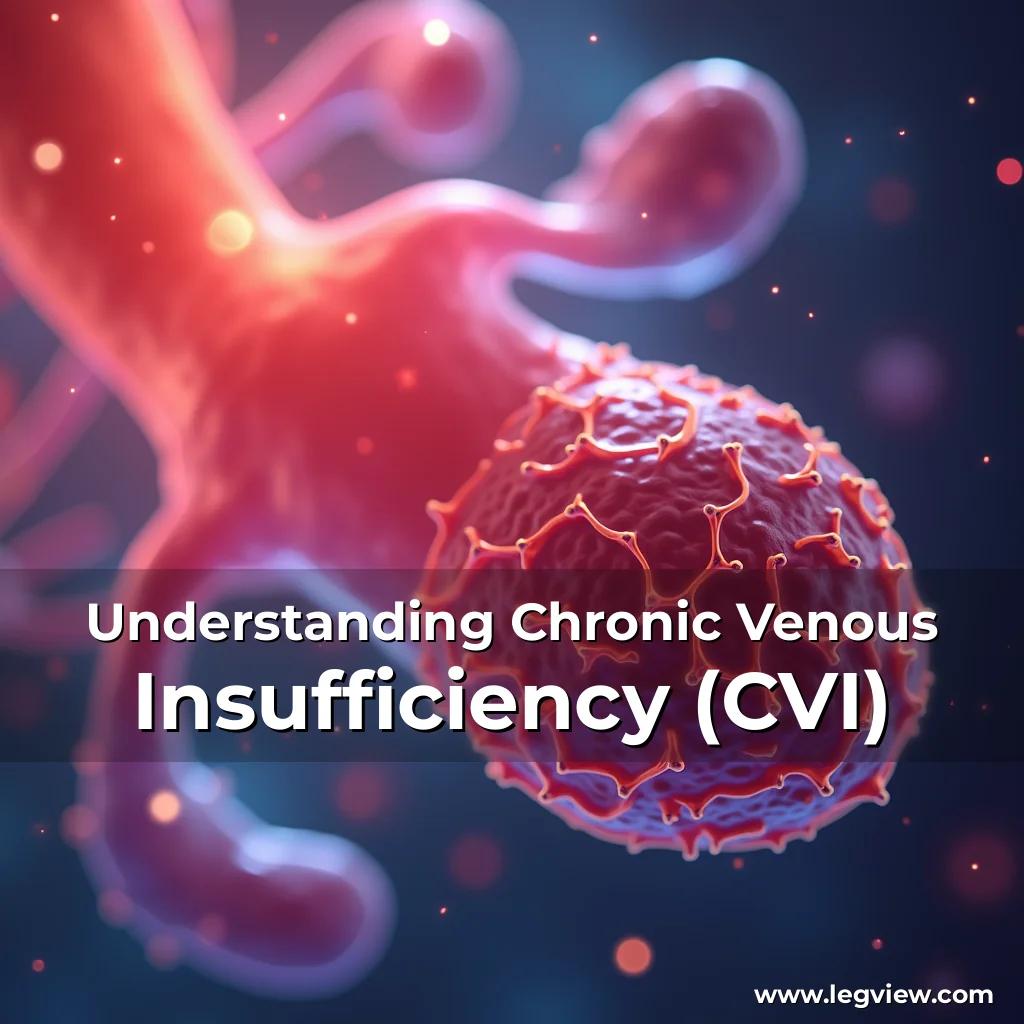
Chronic venous insufficiency (CVI) is a progressive vascular condition where the veins in the legs are unable to efficiently return blood to the heart. The primary culprits are faulty vein valves, which, when weakened or damaged, fail to prevent the backward flow of blood.
- Deep Vein Thrombosis (DVT): A history of DVT is one of the most common precursors to CVI.
- Varicose Veins: These enlarged, twisted veins signify compromised valve function and serve as an early warning sign of venous disorders.
- Congenital Valve Malformation: In some cases, individuals are born with defective venous valves, leading to early-onset CVI.
- Prolonged Standing or Sitting: Occupational patterns, such as long hours spent seated or standing, can restrict blood flow and strain the leg veins.
- Obesity: Excess body weight places added pressure on leg veins, contributing to valve malfunction and venous wall stretching.
- Pregnancy: Hormonal shifts and uterine pressure during pregnancy can impair venous return and elevate the risk of CVI.
- Age: Natural aging processes weaken venous walls and valves, making individuals over 50 more susceptible to CVI.
- Gender: Women are at higher risk due to hormonal fluctuations and events like pregnancy and menopause.
- Injury or Surgery: Trauma or surgical procedures involving the legs may damage venous structures or reduce mobility, both contributing to CVI.
Recognising Early Symptoms
Symptoms of CVI often begin subtly and intensify over time. Common signs include:
- Persistent swelling in the lower legs or ankles
- A feeling of heaviness or fatigue in the legs
- Itching, redness, or skin darkening
- The presence of varicose veins
- Discomfort that improves when legs are elevated
Is CVI Dangerous?
While not immediately life-threatening, untreated CVI can significantly impair quality of life. The most serious complication is venous ulceration, which is both difficult to manage and susceptible to secondary infection. Moreover, CVI may occasionally signal underlying vascular issues, including a past history of deep vein thrombosis, warranting further medical investigation.
Diagnosis and Management
The condition is typically diagnosed through physical examination and confirmed via Doppler ultrasound to assess blood flow and valve function. Treatment focuses on symptom relief and prevention of further deterioration. Key interventions include:
- Compression therapy: Use of medical-grade compression stockings to support vein function
- Leg elevation: Reducing venous pressure by lifting the legs above heart level
- Exercise: Regular walking activates calf muscles, which helps propel blood upward
- Lifestyle changes: Weight loss, balanced diet, and hydration all contribute to vein health
- Medication or surgical options: In some cases, minimally invasive vein procedures may be recommended
When to Seek Medical Advice
Health experts advise individuals to consult a doctor if they experience persistent swelling, aching, or changes in leg skin tone and texture. Early intervention can prevent complications and improve long-term outcomes.
FAQs
CVI is a circulatory condition where the leg veins fail to return blood efficiently to the heart due to malfunctioning valves. This leads to blood pooling in the lower limbs, causing swelling, pain, and skin changes.
U.S. President Donald Trump was recently diagnosed with CVI after experiencing leg swelling. The White House confirmed it is not life-threatening but the condition has drawn public and medical attention. …less
Exploring Chronic Venous Insufficiency (CVI)
Key Takeaways
- CVI is a progressive vascular condition where the leg veins fail to return blood efficiently to the heart due to malfunctioning valves.
- The condition can be triggered by various factors, including DVT, varicose veins, and obesity.
- Symptoms of CVI often begin subtly and intensify over time, including persistent swelling, heaviness, and itching.
- Untreated CVI can significantly impair quality of life and lead to serious complications, such as venous ulceration.
- Early detection and intervention are crucial to prevent complications and improve long-term outcomes.
Conclusion
Chronic venous insufficiency is a complex condition that requires awareness, early detection, and preventive care. By understanding the causes, symptoms, and management options, individuals can take proactive steps to protect their vein health and prevent the progression of CVI. As the conversation around Donald Trump’s health brings CVI into the spotlight, it is essential to prioritize education and prevention to promote a healthier and more informed public discourse.

news is a contributor at LegView. We are committed to providing well-researched, accurate, and valuable content to our readers.