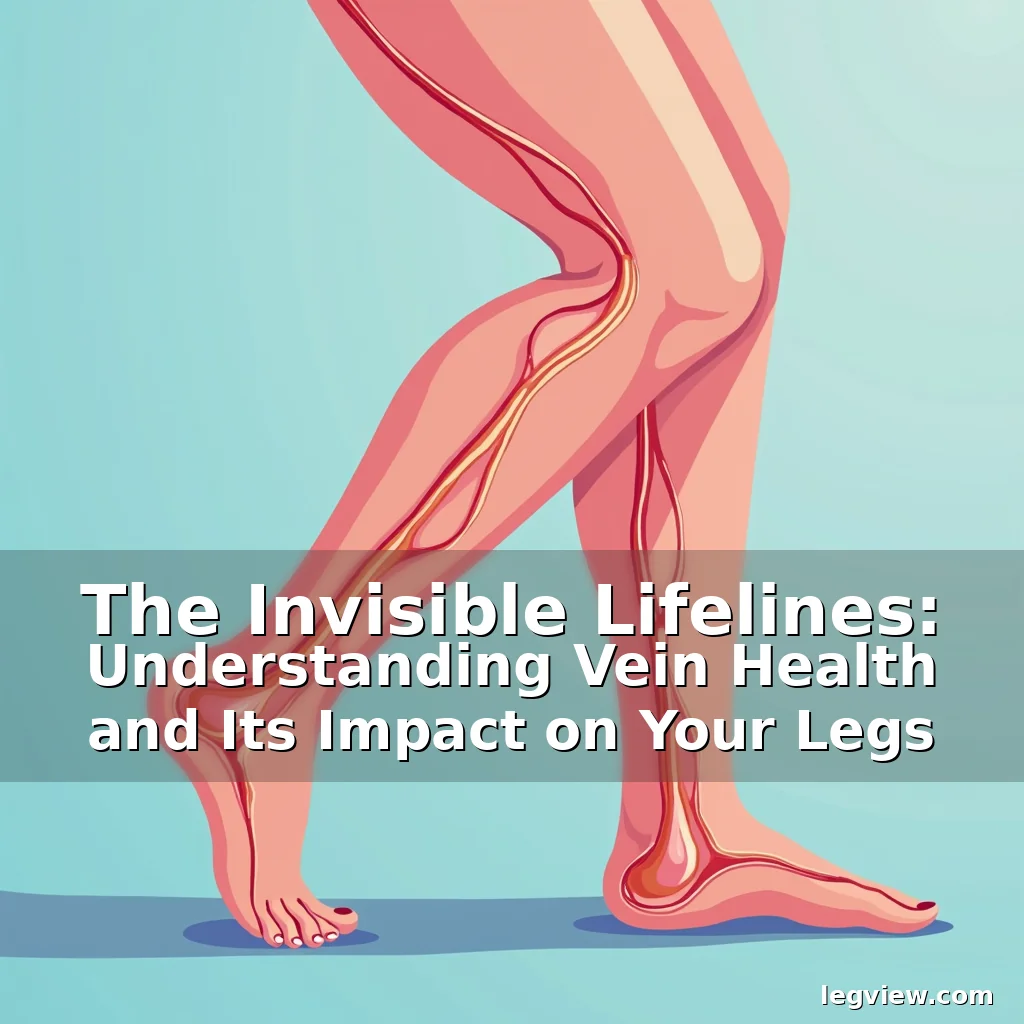
The Invisible Lifelines: Understanding Vein Health and Its Impact on Your Legs
Vein health is often overlooked until symptoms arise, yet these delicate vessels play a crucial role in our circulatory system. From transporting blood back to the heart to preventing pooling and swelling, healthy veins are essential for overall well-being.
Your legs contain some of the most active veins in your body, working tirelessly against gravity to return deoxygenated blood upward. When these systems falter, discomfort and complications can follow, affecting mobility and quality of life.
The Role of Valves in Venous Circulation
Beneath the skin’s surface lie networks of veins equipped with tiny valves that open and close to direct blood flow toward the heart. These structures prevent backward movement, ensuring efficient circulation even when standing or sitting for long periods.
When valve function deteriorates due to age, genetics, or lifestyle factors, blood may pool in the lower extremities. This condition, known as chronic venous insufficiency, leads to visible varicose veins and increased pressure within the vascular system.
- Valvular integrity: Healthy valves maintain unidirectional blood flow by opening during muscle contractions and closing to prevent reflux.
- Gravity’s challenge: Leg veins must work harder than those in other body regions because they fight gravitational pull continuously throughout daily activities.
Symptoms That Signal Compromised Veins
Awareness of early warning signs allows timely intervention before conditions worsen. Common indicators include persistent heaviness in the legs, especially after prolonged activity, which typically improves with elevation but returns upon resuming tasks.
Dry, flaky skin around ankles might indicate poor microcirculation affecting tissue nutrition. If left untreated, this could progress to more severe dermatological changes like lipodermatosclerosis, characterized by thickened, hardened patches beneath the skin.
Recognizing Varicose Veins Early On
Varicose veins manifest as swollen, twisted blood vessels usually appearing blue or purple under the skin’s surface. They’re not merely aesthetic concerns; they signal underlying issues with venous competency requiring medical attention.
Studies show that approximately 30% of adults experience some degree of varicose veins, though many remain asymptomatic initially. However, without addressing root causes through lifestyle modifications or treatments, progression towards more serious complications becomes likely.
Lifestyle Factors Influencing Vein Integrity
Maintaining optimal vein health begins with conscious choices related to physical activity, diet, and hydration levels. Regular exercise strengthens calf muscles, enhancing their pumping action necessary for effective venous return from the lower limbs.
Weight management also plays an integral part since excess pounds increase strain on leg veins, making them prone to dilation and damage over time. Even modest weight loss improvements significantly reduce risk factors associated with venous disorders.
Nutrition and Supplements Supporting Vascular Function
Certain nutrients have been shown to support endothelial function—the lining inside blood vessels—and promote better circulation. Bioflavonoids found in citrus fruits help strengthen capillary walls, reducing leakage and inflammation potential.
Vitamin C deficiency has links to weakened connective tissues including collagen synthesis required for structural support among vessel walls. Including foods rich in this antioxidant aids in preserving vein elasticity naturally.
Compression Therapy: A Cornerstone Treatment Approach
Graduated compression stockings apply controlled pressure along the legs, assisting blood flow upwards while minimizing edema formation. Available in various pressures tailored to individual needs based on severity assessments conducted by healthcare professionals.
This non-invasive method proves particularly beneficial post-surgery recovery scenarios where improved circulation accelerates healing processes. It remains one of the first-line recommendations across global clinical guidelines for managing chronic venous disease states.
Medical Interventions for Advanced Conditions
In cases where conservative measures fail to provide relief, minimally invasive procedures offer viable solutions without necessitating traditional surgical interventions. Endovenous laser therapy targets faulty veins using heat energy delivered via catheters inserted through small incisions.
Radiofrequency ablation follows similar principles utilizing radio waves instead of light-based technology. Both methods effectively seal damaged vessels shut, redirecting blood through healthier pathways while promoting natural absorption of treated areas over weeks following treatment.
Prenatal Considerations and Maternal Vein Care
Pregnancy places additional demands on maternal cardiovascular systems as placental demands surge alongside hormonal fluctuations influencing vascular tone. Expectant mothers may notice new onset spider veins or worsening existing ones due to elevated progesterone levels relaxing smooth muscle layers within vessel walls.
While most pregnancy-related vein changes resolve spontaneously postpartum, certain precautions such as avoiding prolonged standing and wearing supportive hosiery recommended by obstetricians can mitigate risks of developing long-term venous compromise during gestation period.
Preventative Strategies Across Different Age Groups
Youthful years present ideal opportunities to establish lifelong habits supporting vein wellness. Encouraging regular participation in sports like swimming or cycling helps develop strong muscular support systems critical for aiding venous drainage mechanisms throughout adulthood.
For middle-aged individuals facing rising prevalence rates of sedentary lifestyles linked to desk jobs, incorporating brief movement intervals every hour maintains adequate circulation patterns despite extended sitting durations commonly encountered at workplaces today.
The Psychological Impact of Chronic Venous Disorders
Living with ongoing vein issues extends beyond mere physiological challenges; emotional distress frequently accompanies visible abnormalities such as prominent varicosities or leg ulcers resistant to conventional therapies. Feelings of embarrassment or low self-esteem become common experiences reported amongst affected populations worldwide.
Addressing mental health aspects alongside physical treatments ensures holistic patient care approaches recognized increasingly by modern medicine emphasizing biopsychosocial models rather than purely biomedical perspectives alone when treating complex diseases involving both mind-body interactions simultaneously.
Emerging Research Directions in Phlebology
Ongoing scientific investigations explore novel therapeutic avenues targeting molecular pathways involved in venous dysfunction. Researchers investigate pharmacological agents capable of modulating inflammatory responses contributing to progressive deterioration observed in patients suffering from advanced stages of chronic venous insufficiency.
Advancements in imaging technologies now allow clinicians greater precision diagnosing subtle anatomical variations previously undetectable via standard ultrasound techniques used routinely in outpatient settings globally. These innovations promise earlier detection windows potentially altering long-term outcomes positively for countless individuals at risk.
Community Engagement and Support Networks
Building connections within communities focused specifically on improving vein health fosters shared knowledge exchange between members who’ve navigated similar journeys dealing with varying degrees of venous impairment. Online forums dedicated exclusively to discussing personal stories provide safe spaces encouraging open dialogue surrounding sensitive topics otherwise difficult broaching publicly.
Local chapters organized around peer-led initiatives facilitate face-to-face meetings enabling participants access expert advice directly from certified specialists fielding questions regarding appropriate diagnostic tests available locally plus guidance navigating insurance coverage complexities inherent within contemporary healthcare landscapes.
Conclusion
Vein health forms an integral component of overall bodily functions deserving proactive attention regardless of current symptom status. Recognizing early signals coupled with implementing preventive strategies lays foundation for sustained improvement across all phases of human development.
By prioritizing education about venous physiology combined with practical application of evidence-based practices endorsed widely among international medical societies specializing in phlebotomy fields, we empower ourselves take charge destiny concerning vascular wellbeing moving forward confidently.
“`

news is a contributor at LegView. We are committed to providing well-researched, accurate, and valuable content to our readers.