Engaging in regular physical activity, such as swimming, cycling, or running, can help reduce the risk of developing varicose veins.
Understanding Varicose Veins
Varicose veins are a common condition that affects millions of people worldwide. They are characterized by the appearance of enlarged and twisted veins, typically in the legs. The exact cause of varicose veins is not fully understood, but several factors contribute to their development.
Risk Factors
Maintaining Vein Health
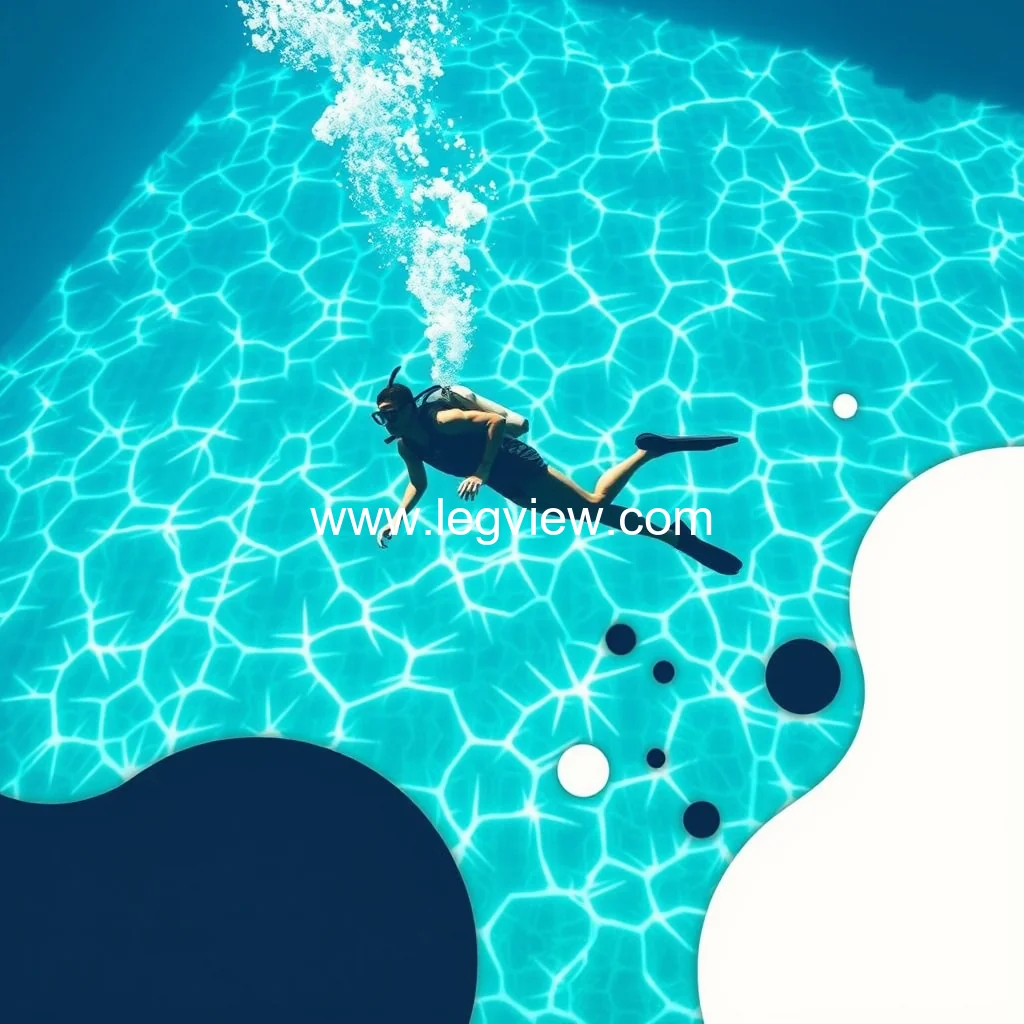
Regular physical activity can help reduce the risk of developing varicose veins. Engaging in water sports, such as swimming, cycling, or running, can improve circulation and strengthen the muscles in the legs. This can help reduce the pressure on the veins and prevent their enlargement.
Benefits of Water Sports
Vein Problems Can Cause Discomfort and Swelling in the Affected Area.
This can lead to discomfort, pain, and swelling in the affected area.
Understanding Varicose Veins
Varicose veins are a common condition that affects millions of people worldwide. They can occur in any part of the body, but they are most commonly found in the legs. The exact cause of varicose veins is not fully understood, but several factors contribute to their development. Some of the key factors include:
Symptoms and Diagnosis
Varicose veins can cause a range of symptoms, including:
A diagnosis of varicose veins is typically made through a physical examination and medical history. A healthcare professional may also use imaging tests, such as ultrasound or X-rays, to confirm the diagnosis.
Treatment Options
Treatment for varicose veins depends on the severity of the condition and the individual’s overall health.
– Painful ulcers or sores. – Skin discoloration or discoloration of the skin around the affected area.
Understanding Varicose Veins
Varicose veins are a common condition that affects millions of people worldwide. They are characterized by the enlargement of veins, which can lead to a range of symptoms and complications. In this article, we will delve into the world of varicose veins, exploring their causes, symptoms, and treatment options.
Causes of Varicose Veins
Varicose veins are caused by a combination of factors, including:
These exercises can be done anywhere, without any special equipment, making them an ideal choice for those with mobility issues or limited access to medical facilities.
Benefits of Water Buoyancy for Varicose Veins
Improved Circulation
Water buoyancy provides a gentle, sustained pressure that helps to reduce the strain on the veins. This reduced pressure allows the veins to function more efficiently, improving circulation and reducing the risk of blood clots. By easing the pressure on the veins, water buoyancy helps to alleviate the discomfort and pain associated with varicose veins. Increased blood flow
Reduced Swelling
Water buoyancy also helps to reduce swelling in the legs and feet. By providing a gentle, sustained pressure, water buoyancy helps to push excess fluid out of the legs and into the bloodstream, reducing swelling and discomfort. Reduced fluid buildup
Eased Pressure on Veins
Water buoyancy helps to ease the pressure on the veins, reducing the risk of damage and discomfort. By providing a gentle, sustained pressure, water buoyancy helps to reduce the strain on the veins, allowing them to function more efficiently. Reduced vein damage
How to Incorporate Water Buoyancy into Your Routine
Leg Lifts and Ankle Pumps
Leg lifts and ankle pumps are low-impact exercises that can be done anywhere, without any special equipment.
Benefits of Swimming Pools for Structured Workouts
Swimming pools offer a controlled environment that allows for precise monitoring of a swimmer’s technique, pace, and overall performance. This is particularly beneficial for athletes who require a high level of precision and control in their movements. With the ability to track progress and identify areas for improvement, swimmers can refine their skills and optimize their performance. Key benefits of swimming pools for structured workouts include:
Natural Water Bodies for Water Exercises
Natural water bodies such as rivers, oceans, or lakes offer a unique and challenging environment for water exercises. The currents, tides, and waves in these bodies can provide an added level of difficulty and variety to workouts.
Wear a properly fitted swimsuit and goggles to ensure a comfortable and safe swimming experience.
Safety Precautions for Water Exercises
Water exercises are an excellent way to improve cardiovascular health, increase flexibility, and boost overall fitness. However, they also come with unique risks and challenges.
Manage Your Varicose Veins with the Right Footwear and Lifestyle Habits.
Wear comfortable clothing that allows for a full range of motion.
Understanding the Importance of Footwear for Varicose Veins
Varicose veins are a common condition that affects millions of people worldwide. While they can be unsightly and uncomfortable, there are ways to manage their symptoms and improve overall well-being. One often overlooked aspect of managing varicose veins is footwear. The right shoes can make a significant difference in reducing discomfort and promoting circulation.
Choosing the Right Footwear
When it comes to choosing footwear for varicose veins, there are several factors to consider. Here are some key considerations:
Additional Tips for Varicose Vein Sufferers
In addition to choosing the right footwear, there are several other tips that can help alleviate varicose vein symptoms:
Water shoes or sandals with a good grip provide traction on slippery surfaces.
Staying Afloat and Moving in the Water**
When engaging in water activities, it’s essential to have the right equipment to ensure a safe and enjoyable experience. Flotation devices like kickboards or flotation belts can provide support in the water, allowing you to focus on your technique and build confidence. These devices come in various shapes and sizes, making them suitable for different swimming styles and abilities. Types of Flotation Devices:
- Kickboards: Designed for freestyle and backstroke swimmers, kickboards provide support for the legs while keeping the upper body afloat. Flotation belts: Suitable for breaststroke and elementary backstroke swimmers, flotation belts provide support for the entire body. * Pool noodles: Great for younger swimmers or those who need extra support, pool noodles are lightweight and easy to maneuver.
These devices are designed to withstand water and sweat, making them perfect for athletes who engage in water-based activities or individuals who prefer to exercise outdoors in rainy or humid conditions.
Benefits of a Waterproof Fitness Tracker
A waterproof fitness tracker offers several benefits, including:
- Enhanced accuracy: Waterproof fitness trackers can track your heart rate, distance, and calories burned with greater accuracy than traditional fitness trackers. Increased convenience: With a waterproof fitness tracker, you can exercise in any weather condition, without worrying about your device getting damaged. Improved motivation: The ability to track your progress and monitor your heart rate can be a powerful motivator, helping you to push yourself harder and achieve your fitness goals.
news is a contributor at LegView. We are committed to providing well-researched, accurate, and valuable content to our readers.
You May Also Like