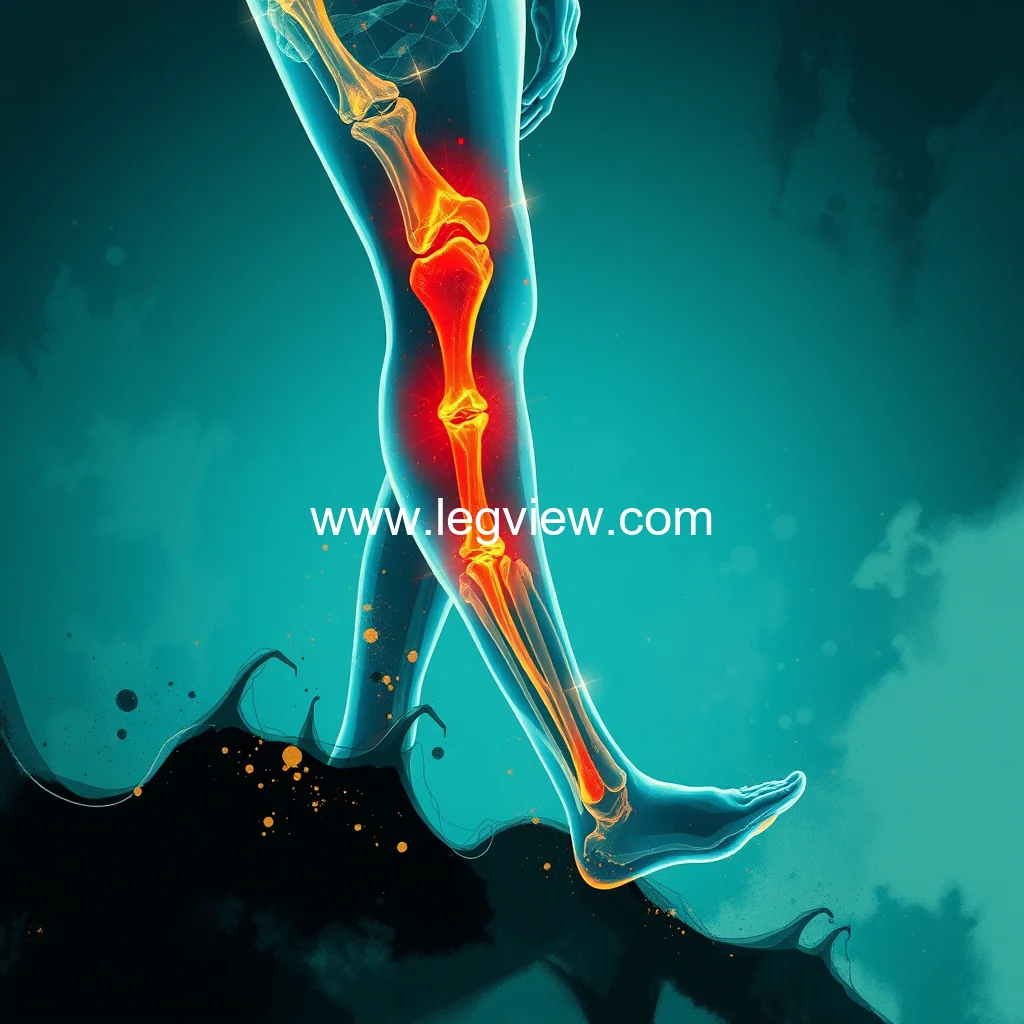
However, if you’re experiencing these symptoms, it’s crucial to investigate the possible causes and seek medical attention if necessary.
Understanding the Risks of Varicose Veins in Runners
The Hidden Dangers of Varicose Veins
Varicose veins are a common condition that affects millions of people worldwide. In runners, it’s essential to be aware of the risks associated with varicose veins, as they can lead to more severe complications if left untreated. Some of the risks include:
The Connection Between Running and Varicose Veins
Running can exacerbate varicose veins due to the repetitive impact on the legs. This can cause:
The Importance of Vein Health
Vein health is crucial for maintaining overall circulation and preventing complications. When veins are healthy, they can efficiently transport blood back to the heart, ensuring that oxygen and nutrients are delivered to the body’s tissues. However, when veins become damaged or diseased, they can lead to a range of problems, including swelling, pain, and even heart failure.
The Role of Vein Valves
Vein valves play a vital role in maintaining healthy vein function. These small, muscular structures are located at the junctions of veins and prevent backflow of blood. When blood flows upwards towards the heart, the valves open, allowing the blood to pass through. However, when blood flows downwards towards the legs, the valves close, preventing backflow and ensuring that blood is transported back to the heart. Key functions of vein valves: + Prevent backflow of blood + Ensure efficient blood flow + Maintain vein health
The Consequences of Failing Vein Valves
If vein valves fail, blood can pool in the legs, causing the veins to swell and become painful.

news is a contributor at LegView. We are committed to providing well-researched, accurate, and valuable content to our readers.