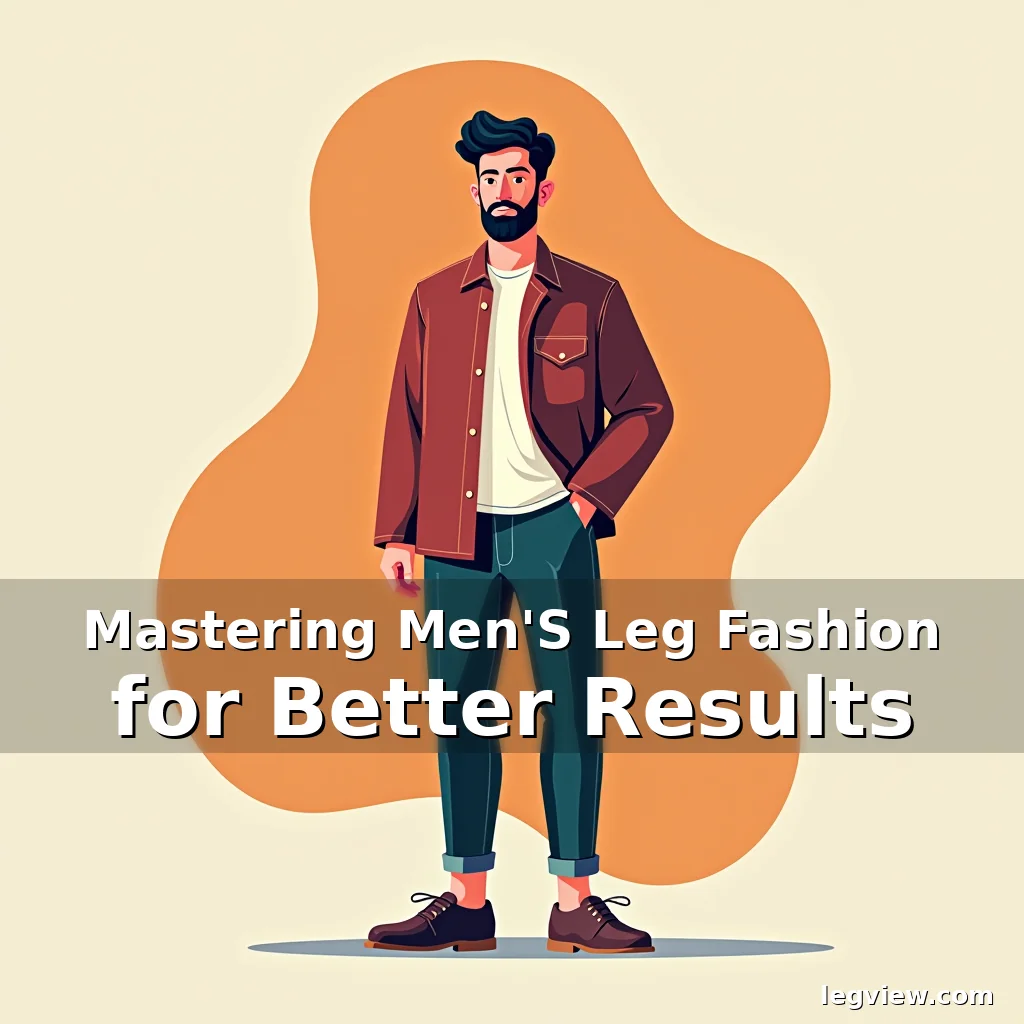
The Ultimate Men’s Leg Fashion Manual: Style Secrets from Ankle to Thigh
In today’s fashion-forward world, men’s legs are becoming a canvas for self-expression, innovation, and confidence. From tailored trousers to statement sneakers, every element contributes to a cohesive look that reflects personality.
This guide delves deep into the artistry of menswear, exploring how to curate styles that elevate both appearance and presence through intentional clothing choices and modern styling techniques.
Historical Evolution of Men’s Legwear
The journey of men’s leg fashion traces back centuries, evolving from functional garments to expressive statements. In medieval Europe, long hose were essential for riding horses and protecting against cold weather conditions.
During the Victorian era, stiffly structured breeches became standard attire for gentlemen, emphasizing formality over comfort. This period also saw the emergence of knee-length trousers as practical alternatives.
The early 20th century marked significant changes with the rise of casual wear, including the introduction of denim jeans in the 1920s. These versatile pieces laid groundwork for contemporary legwear trends.
Post-war decades brought innovations such as elastic waistbands and tapered silhouettes, reflecting shifting societal norms and technological advancements in textile manufacturing.
- Vintage Revival: Retro styles continue to influence current trends, with heritage brands reviving classic cuts and patterns from past eras.
- Cultural Shifts: Globalization has introduced diverse aesthetics, merging traditional elements with modern designs to
This guide delves deep into the artistry of menswear, exploring how to curate styles that elevate both appearance and presence through intentional clothing choices and modern styling techniques.
Historical Evolution of Men’s Legwear
The journey of men’s leg fashion traces back centuries, evolving from functional garments to expressive statements. In medieval Europe, long hose were essential for riding horses and protecting against cold weather conditions.
Recommended Reading: Advanced Women'S Leg Fashion Techniques and MethodsDuring the Victorian era, stiffly structured breeches became standard attire for gentlemen, emphasizing formality over comfort. This period also saw the emergence of knee-length trousers as practical alternatives.
The early 20th century marked significant changes with the rise of casual wear, including the introduction of denim jeans in the 1920s. These versatile pieces laid groundwork for contemporary legwear trends.
Post-war decades brought innovations such as elastic waistbands and tapered silhouettes, reflecting shifting societal norms and technological advancements in textile manufacturing.
- Vintage Revival: Retro styles continue to influence current trends, with heritage brands reviving classic cuts and patterns from past eras.
- Cultural Shifts: Globalization has introduced diverse aesthetics, merging traditional elements with modern designs to create new hybrid styles.
Fabric Selection: The Foundation of Great Legs
Choosing the right fabric significantly impacts overall style and comfort. Wool blends offer warmth during colder months while maintaining a polished appearance suitable for formal occasions.
Linen options provide breathability in warmer climates, making them ideal for summer events requiring lightness without sacrificing sophistication.
Synthetic fibers like polyester offer wrinkle resistance and durability, perfect for travel-friendly outfits that maintain their shape despite frequent movement.
Mixing textures adds depth to ensembles; pairing smooth silk with rugged corduroy creates visual interest while balancing softness with structure.
Trending Fabrics in Contemporary Menswear
Recent studies show increasing demand for sustainable materials among eco-conscious consumers. Brands now incorporate recycled polyester and organic cotton into collections targeting environmentally aware buyers.
You Might Also Enjoy: Women'S Leg Fashion Strategies and ImplementationSmart textiles featuring moisture-wicking properties appeal particularly to active lifestyles, enhancing performance during physical activities while preserving aesthetic appeal.
Velvet and satin finishes add luxury touches, often reserved for special occasions yet increasingly integrated into everyday wardrobes through strategic layering techniques.
Color Theory for Stylish Legs
Selecting harmonious color schemes enhances visual impact when dressing for various occasions. Neutrals like navy blue or charcoal gray serve as versatile foundations upon which bolder accents can be layered.
Bold colors require careful consideration regarding occasion appropriateness; vibrant reds may work well for evening events but could appear overly flashy at business meetings.
Pastel shades offer subtlety during transitional seasons, providing gentle contrast against darker base layers without overwhelming the eye.
Monochromatic approaches simplify coordination, allowing individuals to focus on texture variations rather than dealing with complex hue combinations.
- Accent Colors: Strategic placement of accent colors draws attention upward toward facial features, creating balanced proportions.
- Seasonal Adjustments: Lighter hues suit spring/summer while deeper tones align better with autumn/winter palettes.
Fit Essentials: Achieving Perfect Proportions
Proper fit ensures comfort and prevents unwanted distractions caused by ill-fitting garments. Slim-fit trousers contour closely along thighs, projecting leaner figures even when wearing bulkier tops.
Relaxed fits offer greater freedom of movement, beneficial for those preferring ease over precise silhouette control. However, they risk appearing sloppy if not styled correctly.
Length adjustments matter greatly; hemlines should sit comfortably above ankles without exposing sock lines unnecessarily. Custom tailoring provides optimal solutions for achieving this balance.
Waistband positioning affects posture perception; higher rises lift midsections slightly whereas lower placements give more relaxed appearances depending on personal preference.
The Impact of Silhouette on Perception
Research indicates that certain silhouettes subtly alter perceived body type. Tapered pants visually elongate limbs, contributing to slimmer looks regardless of actual measurements.
Baggy bottoms contrast sharply with fitted shirts, creating dynamic contrasts that draw attention away from less desirable areas towards stronger points like shoulders or arms.
Layering strategies further manipulate proportion illusions; longer outer garments paired with shorter inner ones “`
news is a contributor at LegView. We are committed to providing well-researched, accurate, and valuable content to our readers.
You May Also Like