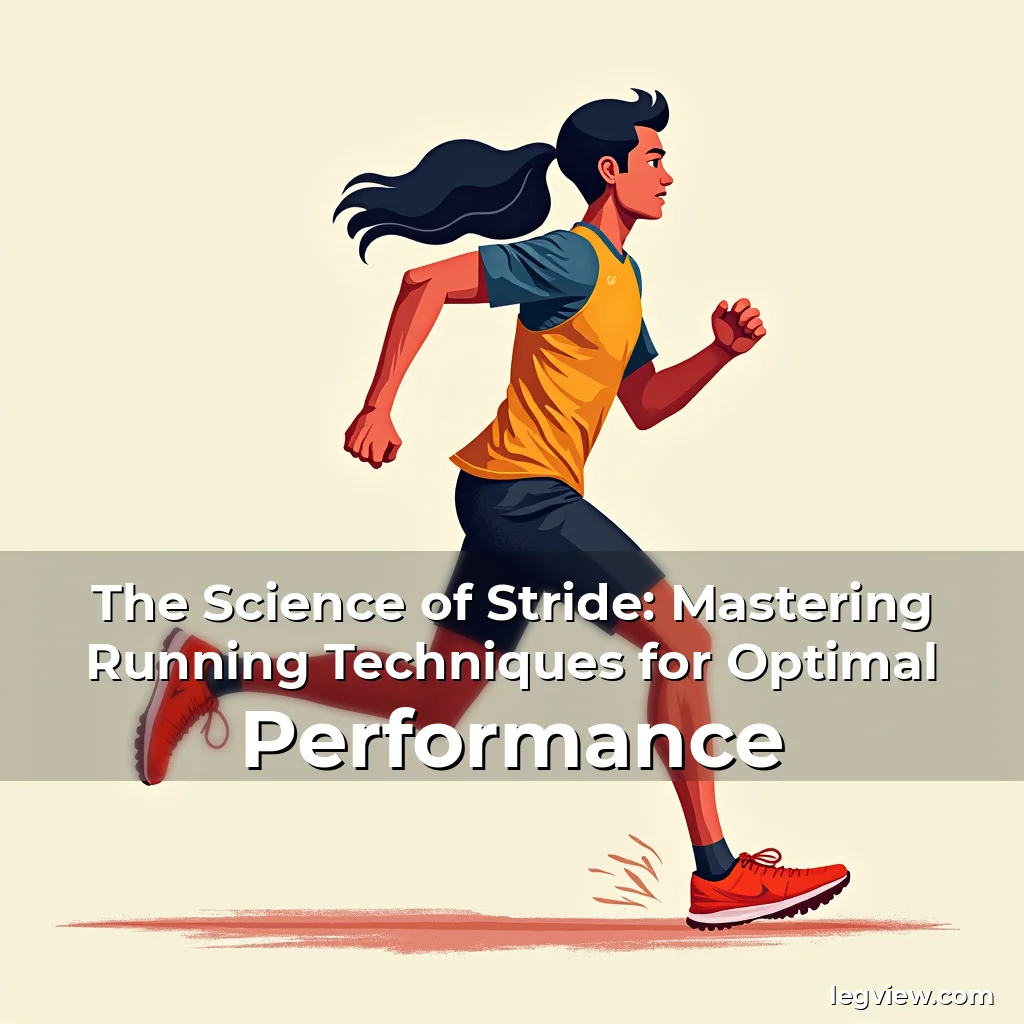
The Science of Stride: Mastering Running Techniques for Optimal Performance
In an era where fitness trends evolve rapidly, mastering running techniques remains foundational to achieving both speed and endurance. Whether you’re training for your first 5K or preparing for a marathon, refining your form can transform your experience from merely moving forward to efficiently propelling yourself toward goals.
This guide delves beyond basic advice, exploring biomechanics, stride mechanics, breathing patterns, and injury prevention strategies tailored specifically for runners at every level—from beginners to elite athletes seeking marginal gains.
Fundamentals of Proper Posture and Alignment
Maintaining correct posture while running is crucial for efficiency and injury prevention. A neutral spine position keeps the body balanced, allowing muscles to work together rather than compensating for misalignment.
Your head should remain upright with eyes focused slightly ahead, not down at your feet. This alignment helps maintain balance and reduces strain on neck and back muscles.
Beneath the shoulders, engage core stability by gently drawing your navel toward your spine. This subtle engagement supports lumbar protection and enhances overall power transfer through each step.
Keep elbows bent at approximately 90 degrees, allowing arms to swing naturally alongside the torso without crossing over midline. Excessive arm movement wastes energy and disrupts rhythm.
A common mistake among new runners is leaning too far forward or backward; instead, imagine being pulled upward by a string attached to the top of your skull.
Proper foot strike positioning complements good upper body alignment. Landing midfoot—between heel and toes—distributes impact forces evenly across the lower limbs.
- Head Position: Keep gaze straight ahead, avoiding looking down which causes unnecessary tension in the cervical region.
- Shoulder Mobility: Relax shoulders while maintaining slight depression to prevent hunching during exertion.
- Chest Expansion: Allow ribcage space to expand naturally as you breathe deeply into diaphragm rather than shallow chest breathing.
Optimizing Your Stride Length and Cadence
Stride length refers to the distance covered between two consecutive foot strikes on the same side. Finding the optimal length prevents overstriding—a common cause of inefficient motion and increased risk of knee injuries.
Runners often mistakenly believe longer strides equate to greater speed. However, research indicates that increasing cadence—steps taken per minute—is more effective for improving pace without sacrificing economy.
A standard target cadence for most recreational runners ranges from 160 to 180 steps per minute. Using a metronome app or music with consistent beats can help establish rhythmic consistency.
Measuring current cadence involves counting steps for thirty seconds then doubling the number. If below 160, gradual increases are recommended through targeted drills rather than abrupt changes.
Elite sprinters typically exhibit higher cadences due to their explosive nature, whereas long-distance runners may show slightly slower rates but with greater force application per step.
To determine ideal stride length relative to height, multiply total inches by 0.45 resulting in approximate meters per stride. Adjust based on terrain and fatigue levels accordingly.
- Step Rate Training: Incorporate interval sessions focusing exclusively on raising cadence to build neuromuscular adaptation.
- Plyometric Drills: Jump rope exercises enhance proprioception and coordination necessary for maintaining precise foot placement.
- Form Runs: Dedicate weekly workouts emphasizing technique over speed using controlled pacing strategies.
Mastering Breathing Patterns for Endurance Gains
Efficient respiration significantly impacts performance durability during prolonged efforts. Establishing coordinated breath-to-stroke ratios improves oxygen delivery and waste removal within muscle tissues.
The most commonly utilized pattern involves inhaling for three steps followed by exhaling for two steps (3:2 ratio). This maintains steady airflow while preventing hyperventilation symptoms.
Variations exist depending upon individual physiology—some find success with 2:2 or even 4:3 configurations. Experimentation under supervision ensures identification of personalized rhythms.
Diaphragmatic breathing maximizes lung capacity utilization compared to shallow thoracic respiration. Practice belly breathing exercises off-track before attempting integration during runs.
Altitude exposure necessitates adjustments since thinner air requires different ventilatory responses. Gradual acclimatization programs aid respiratory system adaptations.
- Exhalation Focus: Emphasize complete exhalation to clear carbon dioxide buildup promoting continued aerobic metabolism.
- Rhythmic Consistency: Maintain uniformity in breath cycles regardless of intensity fluctuations to sustain metabolic equilibrium.
- Humming Technique: Some studies suggest humming during exhalation vibrates vocal cords assisting in CO₂ expulsion efficiency.
The Role of Footwear in Enhancing Efficiency
Selecting appropriate footwear plays critical role in executing proper running mechanics. Shoes serve dual purposes—protective barrier against ground surfaces plus functional tool influencing gait characteristics.
Minimalist shoes encourage natural foot movements promoting stronger intrinsic musculature development. Traditional cushioned models provide shock absorption benefits particularly useful on hard pavement surfaces.
Heel drop measurement determines transition ease between shoe types. Lower drops (<10mm) require gradual adaptation periods to avoid Achilles tendon stressors.
Foot shape variability mandates careful selection process involving try-on sessions ideally conducted barefoot to assess fit accuracy prior to adding socks/shoes.
Sole flexibility affects push-off effectiveness during toe-off phase. Stiffer soles offer enhanced propulsion yet may reduce sensory feedback essential for terrain awareness.
Replace worn-out gear regularly—midsole compression indicators appear when visible wear marks exceed 1/8 inch depth along sole edges.
- Break-in Period: New shoes need several miles before full use to allow materials time to conform properly.
- Lacing Strategy:
Proper lacing techniques distribute pressure evenly across foot anatomy reducing hotspots and blisters formation potential especially during extended distances.
Dynamic fitting methods such as laces adjustable via Velcro straps accommodate swelling variations experienced throughout race duration.
- Toe Box Clearance: Ensure sufficient room exists above longest toe to permit unrestricted flexion during forefoot contact phases.
Strength Training Principles for Runners
Integrating strength conditioning routines amplifies muscular resilience vital for sustaining high-intensity output over time. Targeted resistance work reinforces stabilizer muscles supporting efficient locomotion patterns.
Compound lifts like squats develop quadriceps, gluteals, hamstrings—all key contributors to forward momentum generation during running activity.
Plyometric exercises enhance reactive strength enabling quicker ground contacts translating into faster turnover speeds beneficial for middle distance events.
Core stabilization protocols strengthen abdominals and erector spinae providing spinal support minimizing energy loss from excessive lateral sway motions.
Don’t neglect posterior chain development—the calves, hips, and lower back play pivotal roles in absorbing impact forces protecting joints from undue wear.
Resistance bands facilitate home-based strengthening regimens offering versatile options targeting various muscle groups simultaneously without requiring gym memberships.
- Hip Abduction Workouts: Side-lying clamshells activate glute medius responsible for hip stabilization crucial during single-leg stance phases.
- Ankle Mobility Drills: Toe curls and calf raises increase dorsiflexion range-of-motion enhancing foot clearance capabilities.
- Balance Challenges: Single-leg stands improve proprioceptive abilities fostering better control during uneven surface traversals.
Nutrition Strategies Supporting Running Mechanics
Appropriate fueling choices influence muscular function quality impacting mechanical efficiency outcomes. Carbohydrate availability dictates glycogen storage capacities determining sustainable effort durations.
Hydration status critically influences connective tissue elasticity affecting joint mobility parameters integral to smooth transitions between landing and pushing off actions.
Electrolyte balance regulates nerve signal transmission facilitating accurate motor neuron firing sequences required for synchronized limb movements.
Pre-run meals containing complex carbohydrates paired with lean proteins optimize blood glucose management systems ensuring steadier energy release profiles.
Post-exercise recovery nutrition focuses on replenishing depleted glycogen stores through combination of simple sugars and protein sources aiding muscle repair processes.
Supplemental intake considerations include magnesium for cramp prevention and omega-3 fatty acids exhibiting anti-inflammatory properties beneficial after intense training loads.
- Timing Matters: Consume easily digestible snacks 1-2 hours pre-workout to avoid gastrointestinal distress.
- Recovery Window: Within 30 minutes post-run consume a mix of fast-digesting carbs and protein to initiate rebuilding processes.
- Fluid Replacement: Replace fluids lost through sweat using isotonic drinks matching sodium concentrations present in bodily fluids.
Common Mistakes Leading to Inefficient Running Form
Many novice runners unknowingly adopt detrimental habits compromising their progress. Identifying these pitfalls early allows timely corrections maximizing long-term improvements.
Overreaching occurs frequently when trying to cover more ground quickly leading to poor foot placement and increased collision risks. Instead prioritize controlled tempo over aggressive haste.
Incorrect arm swinging patterns involve flailing motions wasting precious energy reserves. Keep elbows close to body and move them in sync with opposite legs.
Chin tucking excessively strains neck structures creating tension headaches and reduced visual field perception impairing obstacle detection skills.
Ignoring warm-up routines predisposes individuals to soft tissue damage since cold muscles lack adequate pliability needed for dynamic activities.
Failure to listen to pain signals results in chronic conditions developing silently until severe enough to warrant medical intervention.
- Watch Your Feet: Avoid locking knees upon landing; maintain slight bend to absorb shocks effectively.
- Elbow Placement: Shoulders relaxed yet elbows held firmly near sides—not flung outward unnecessarily.
- Midfoot Strike: Heel striking generates higher impact forces potentially damaging cartilage over repeated usage.
Tech Innovations Transforming Running Technique Analysis
Advancements in wearable technology now enable real-time monitoring of biomechanical variables previously only accessible through clinical assessments. These tools empower self-assessment empowering informed decision making regarding personal optimization paths.
Smartwatches equipped with GPS track elevation changes accurately measuring vertical oscillation metrics revealing inefficiencies in up-and-down motion expenditures.
Gait analysis apps utilizing smartphone cameras capture video footage analyzing stride symmetry identifying asymmetrical loading imbalances possibly contributing to future complications.
Force plates embedded in running tracks quantify ground reaction forces elucidating how weight distribution alters with varying speeds or terrains.
Pressure mapping sensors integrated into shoe insoles detect abnormal load distributions highlighting areas needing attention either through orthotic interventions or form modifications.
Data visualization platforms convert raw telemetry data into intuitive graphics illustrating trends over weeks/months tracking progress towards established benchmarks.
- Wearable Sensors: Devices like Garmin and Whoop monitor heart rate variability assessing readiness states guiding workout scheduling decisions.
- Video Feedback Tools: Apps such as Strava’s Smart Segments feature compare performances against global standards benchmarking improvement trajectories.
- Digital Coaching Platforms: AI-driven assistants analyze biometrics recommending customized training plans aligned with physiological limits.
Adapting Techniques Across Different Terrains and Conditions
Varying environmental factors demand flexible approach adjustments ensuring safe execution regardless of setting encountered. Understanding these nuances prepares runners mentally physically for diverse scenarios.
Trail running necessitates heightened vigilance regarding loose debris risking ankle sprains. Shorten stride lengths and maintain low center gravity to navigate unpredictable obstacles safely.
Urban environments filled with potholes require similar caution. Scan ahead constantly anticipating road imperfections adjusting footfalls accordingly.
Mountainous ascents call for modified breathing techniques accommodating altitude-induced oxygen depletion challenges. Utilize mouth-breathing temporarily until acclimated.
Beach sand introduces resistance requiring additional effort. Employ shorter strides with deliberate toe-off emphasis to counteract sinking effects caused by granular substrate.
Winter running demands extra layering precautions balancing thermal regulation needs with aerodynamic advantages. Choose wind-resistant fabrics prioritizing heat retention over bulkiness.
- Surface-Specific Gear: Trail shoes feature deeper treads gripping rough textures unlike road-oriented designs optimized for smoother pavements.
- Visibility Enhancement: Reflective clothing becomes essential night trail running due to limited ambient lighting conditions.
- Temperature Regulation: Moisture-wicking base layers assist managing perspiration outputs maintaining skin dryness prolonging comfort zones.
Conclusion
Running technique encompasses multifaceted components ranging from fundamental postural integrity to sophisticated technological applications shaping modern training methodologies. Mastery requires commitment to continuous learning applying scientific principles practically.
By systematically addressing each element outlined—posture refinement, stride optimization, respiratory synchronization, equipment selection, strength augmentation, nutritional support, error recognition, and adaptive strategy implementation—you lay solid foundation for sustained growth irrespective of competitive aspirations.