Mastering Lower Body Mobility: A Deep Dive into Effective Leg Stretching Techniques for Optimal Performance
Stretching your legs is not just about flexibility—it’s a cornerstone of physical health, athletic performance, and injury prevention. Whether you’re training for a marathon, recovering from surgery, or simply aiming to stay active, understanding the science behind leg stretching can transform your approach. For the LegView community, this guide offers practical strategies rooted in biomechanics and real-world application.
This article explores evidence-based techniques, anatomical considerations, and innovative tools to elevate your leg stretching routine. From beginner-friendly moves to advanced protocols, we’ll ensure every reader finds value in tailoring their practice to meet personal goals.
The Science Behind Leg Stretching: Why It Matters
Your legs contain some of the largest and most complex muscle groups in your body, including the quadriceps, hamstrings, glutes, calves, and hip flexors. These muscles work together for movement, stability, and power—but they also require care. Regular stretching improves blood flow, reduces stiffness, and enhances range of motion, all critical factors for anyone involved in sports or physical activity.
Muscle tightness, particularly in the hamstrings and hip flexors, is a leading cause of lower back pain and knee strain. By incorporating targeted stretches, you can alleviate pressure on joints, correct imbalances, and support long-term joint health. Studies show that individuals who stretch consistently report fewer injuries and faster recovery times, making it essential for LegView members prioritizing longevity in their fitness journeys.
- Improved circulation: Stretching increases oxygen delivery to muscles, accelerating recovery and reducing fatigue.
- Injury prevention: Enhanced flexibility lowers the risk of tears, sprains, and chronic issues like plantar fasciitis.
- Enhanced posture: Tight hips and lower backs can lead to poor alignment; stretching helps restore natural spinal curvature.
Dynamic vs. Static Stretches: Choosing the Right Approach
Understanding the difference between dynamic and static stretching is key to maximizing results. Dynamic stretches involve controlled movements that mimic your sport or activity, preparing your body for action. Examples include leg swings, high knees, and walking lunges. These are ideal pre-workout to increase heart rate and activate muscles.
Static stretches, on the other hand, involve holding a position for 20–60 seconds to lengthen muscles. They are best reserved for cooldowns or rest days. For LegView users focused on functional strength, combining both approaches ensures balanced preparation and recovery. Avoid static stretching before intense exercise, as it may temporarily reduce power output.
When to Prioritize Each Type
Dynamiс stretching should dominate your warm-up routine. Research suggests that 5–10 minutes of dynamic movement significantly boosts neuromuscular readiness, improving coordination and reaction times. Static stretches excel during cool-down phases, helping to relax overworked muscles and promote relaxation. Integrating both into your weekly schedule aligns with LegView’s emphasis on holistic wellness.
If you’re new to stretching, start with dynamic motions to gauge comfort levels. Gradually introduce static holds once your muscles feel warmed up. Consistency will build resilience over time, ensuring your legs remain agile and injury-free.
Top Leg Stretches Every Active Person Should Know
Here are seven foundational stretches that target major leg muscles, backed by scientific research and practitioner recommendations. Each includes instructions and variations for different skill levels:
Hamstring Stretch (Seated Forward Fold): Sit on the floor with legs extended. Reach toward your toes, keeping your spine straight. Hold for 20–30 seconds. For deeper release, place a strap around your foot and gently pull upward.
Calf Stretch (Wall Push): Stand facing a wall, step one foot forward, and press your heel into the ground. Lean into the wall until you feel tension in your calf. Repeat with the opposite leg. This stretch alleviates Achilles tendon stress, common among runners.
Quad Stretch (Standing Hamstring Curl): Stand tall, bend one knee, and bring your heel toward your buttocks. Grasp your ankle and hold for 20–30 seconds. This strengthens weak quadriceps while increasing hip flexibility—a combo favored by LegView physiotherapists.
- Bowflex Stretch: Kneel with hands clasped beneath your chest. Press your chest downward while extending arms overhead. Targets hip flexors, which often tighten from prolonged sitting.
- Lateral Quad Stretch: Lie on your side, raise one leg, and grasp your ankle. Pull your thigh across your body. Ideal for correcting IT band tightness linked to running-related knee pain.
- Glute Bridge: Lie flat, lift your hips until your body forms a straight line from shoulders to knees. Engage your core to isolate glutes. Strengthens posterior chain while relieving sciatic nerve compression.
Common Mistakes to Avoid When Stretching Legs
Even well-intentioned stretches can become counterproductive due to improper technique. One frequent error is overextending beyond your limits, which risks tearing ligaments or straining muscles. Always listen to your body—if a stretch causes sharp pain, ease off immediately.
Another pitfall is neglecting breathing during stretches. Inhale deeply as you prepare, then exhale slowly as you deepen the stretch. Proper respiration keeps muscles relaxed and promotes better oxygenation, a principle emphasized by LegView’s expert trainers.
How to Correct Poor Form
If your hamstrings feel overly tight, try using a foam roller instead of forcing a deep fold. Roll along the muscle for 1–2 minutes to release knots before attempting static stretches. Similarly, avoid locking your knees during standing stretches, as this shifts weight onto vulnerable joints.
Avoid bouncing during stretches, known as ballistic stretching, which can trigger the stretch reflex and negate results. Instead, use smooth, controlled movements to achieve gradual elongation. Incorporating mindfulness practices like meditation alongside stretching further enhances awareness of bodily cues.
Nutritional Support for Flexibility and Recovery
Flexibility isn’t solely determined by physical effort; nutrition plays a pivotal role in maintaining healthy connective tissues. Collagen, found in bone broth and leafy greens, supports tendons and ligaments, while magnesium-rich foods like almonds and spinach aid muscle relaxation.
Hydration is another overlooked factor. Dehydrated muscles lose elasticity, increasing susceptibility to cramps and spasms. Aim for 8–10 glasses of water daily, adjusting based on activity level. Electrolytes such as potassium and sodium regulate fluid balance, preventing sudden weakness during exertion.
Protein consumption aids tissue repair following intense stretching or workouts. Lean sources like chicken breast, fish, and eggs provide amino acids necessary for rebuilding micro-tears incurred during stretching. Pairing these proteins with antioxidants from berries or dark chocolate reduces inflammation, expediting recovery.
Technology and Tools Enhancing Your Leg Stretching Routine
Modern advancements now allow precise tracking of your flexibility journey. Fitness trackers and smartwatches monitor heart rate variability, offering data-driven insights into optimal stretching windows. Apps like Yoga With Adriene or Nike Training Club feature video guides tailored to various leg stretches, perfect for LegView users seeking structured programs.
Resistance bands and foam rollers revolutionized home stretching regimens. Resistance bands apply graduated tension, enabling deeper engagement of muscles without excessive force. Foam rolling releases adhesions in筋膜 layers, similar to a self-massage therapy recommended by physiotherapists globally.
Consider investing in adjustable yoga mats or stability balls to enhance proprioception—the sense of body positioning. These tools challenge balance and coordination, amplifying the effectiveness of each stretch while minimizing fall risks, especially beneficial for aging populations within the LegView demographic.
Creating a Personalized Leg Stretching Plan
No single stretching program fits everyone perfectly. Begin by assessing your current flexibility baseline using online tests or professional evaluations available through LegView partnerships. Identify areas requiring attention—tight hip flexors from desk jobs, stiff ankles from cycling, or inflexible hamstrings from sedentary lifestyles.
Designate specific times for stretching, whether morning, midday, or evening. Morning routines awaken sleepy muscles, whereas evening sessions facilitate recovery post-exercise. Set realistic goals, such as mastering three new stretches weekly or dedicating 10 minutes daily to mobility maintenance.
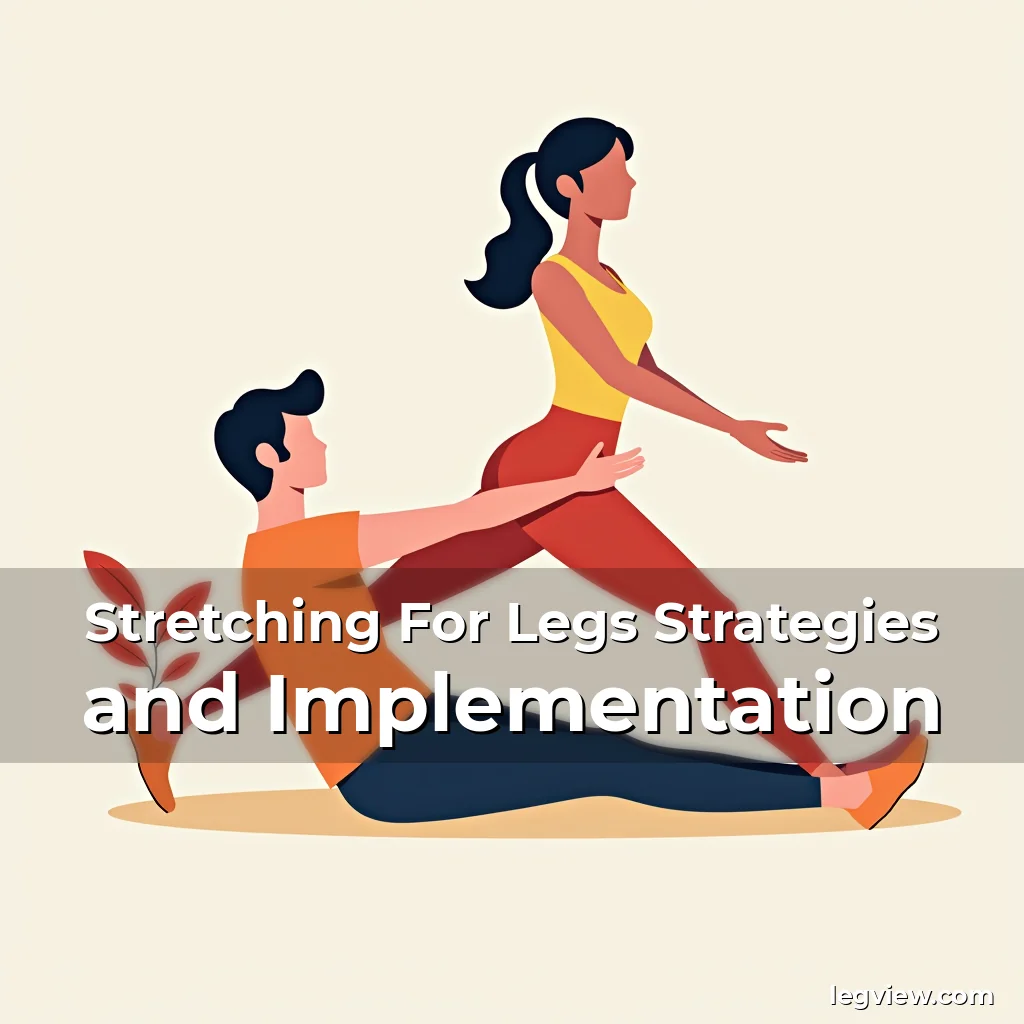
Variety prevents plateaus. Rotate between static, dynamic, and PNF (Proprioceptive Neuromuscular Facilitation) stretches to stimulate neural adaptation. Integrate partner-assisted stretches occasionally for added resistance and feedback, fostering accountability within the LegView network.
Monitoring Progress and Adjusting Your Routine
Track your improvements using measurable benchmarks. Record how far you can reach during seated forward folds or note increased ease in performing squats without discomfort. Apps like MyFitnessPal log dietary intake alongside workout logs, providing comprehensive health snapshots.
Schedule periodic check-ins with certified professionals via virtual consultations offered through LegView’s platform. Their assessments ensure your routine evolves with changing needs, addressing any emerging asymmetries or compensations early on.
Stay adaptable. If certain stretches no longer yield results, experiment with alternative techniques. Listening to your body remains paramount, reflecting the LegView ethos of personalized, sustainable health solutions.
Conclusion
Leg stretching transcends mere exercise—it becomes a lifestyle choice that nurtures mobility, resilience, and vitality. Through mindful execution, nutritional synergy, technological integration, and continuous learning, you unlock unparalleled benefits for your lower body.
For LegView members committed to excellence, remember: consistency beats intensity. Dedicate even five minutes daily to deliberate stretching, and witness profound transformations in agility, endurance, and overall quality of life. Your journey begins today, one intentional stretch at a time.