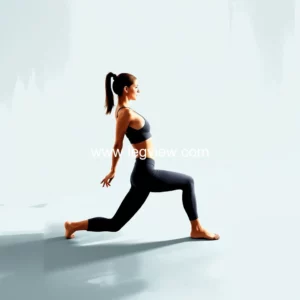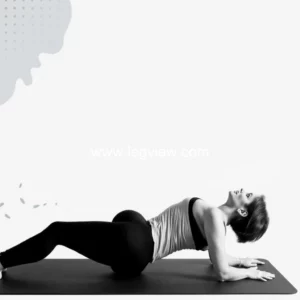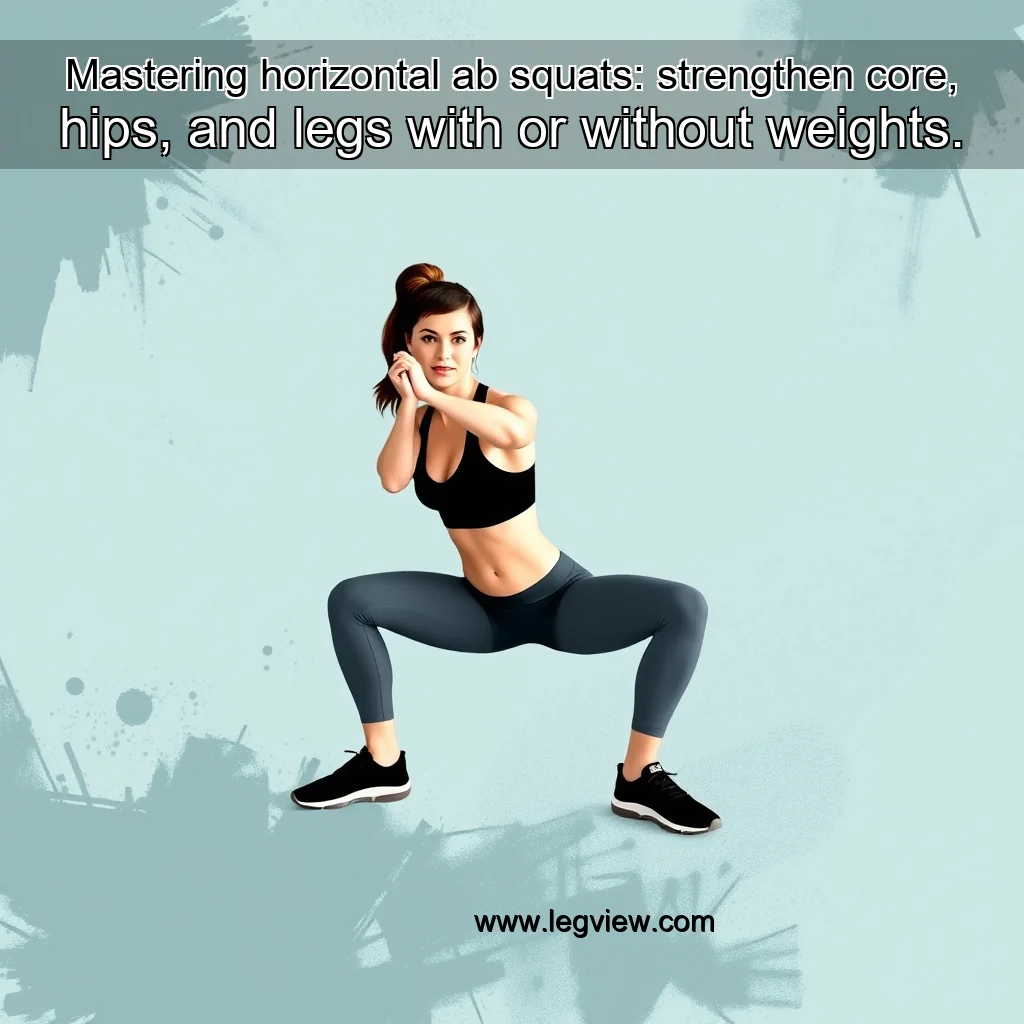
Try these variations to modify the horizontal ab squat to suit your fitness level and goals.
Here are some variations to try:
Variations of the Horizontal Ab Squat
This exercise is a great way to release tension and promote relaxation.
Take a deep breath, relax your shoulders and let go of any tension. The key to this move is finding your center and connecting your core muscles. Engage your core by imagining a thin, invisible line connecting your navel to the base of your spine. This line should feel like it’s pulling you upward and drawing your navel toward the base of your spine.
The Benefits of Horizontal Ab Squats
Horizontal ab squats are a variation of the traditional bear squat exercise that targets the abdominal muscles from a unique angle. By flipping the position from prone to supine, this exercise provides a distinct challenge to the core muscles, engaging them in a way that traditional bear squats may not.
Key Benefits
These muscles are essential for maintaining good posture and preventing lower back pain. Strengthening them can also improve your overall athletic performance and reduce the risk of injury.
The Importance of Core Strength
Core strength is essential for overall athletic performance and stability. A strong core provides a solid foundation for the body, allowing for efficient movement and reducing the risk of injury. This is particularly important for athletes who engage in high-impact activities, such as running, jumping, and lifting.
Benefits of Core Strength
Exercises to Target Lower Abs
Leg Lifting Exercises
The upper abs, on the other hand, are more involved in movements that require the torso to twist or rotate.
Understanding the Anatomy of the Abs
The abdominal muscles are a group of muscles that make up the core of the body. They are responsible for stabilizing the spine, supporting the torso, and facilitating movements such as twisting, bending, and lifting. The abdominal muscles are divided into three main groups: the rectus abdominis, the external obliques, and the internal obliques.
Rectus Abdominis
The rectus abdominis is the longest and most superficial of the three main abdominal muscles. It runs from the xiphoid process (the lowest part of the breastbone) to the pubic bone, and is responsible for flexing the spine and drawing the navel towards the pubic bone. Key functions: + Flexes the spine + Draws the navel towards the pubic bone + Assists in hip flexion and extension
External Obliques
The external obliques are the muscles on the sides of the abdomen, and are responsible for rotating the torso and moving the ribs.
Isometric exercises are a type of strength training that involves contracting muscles without moving the joints. This type of exercise is beneficial for improving muscle strength and endurance, as well as preventing injuries.
Benefits of Isometric Ab Exercises
Isometric ab exercises offer numerous benefits for individuals looking to improve their core strength and overall fitness. Some of the key advantages include:
How Isometric Ab Exercises Work
Isometric ab exercises work by contracting the muscles without moving the joints. When performing isometric ab exercises, the muscles are held under contraction for a period of time, typically 5-10 seconds.