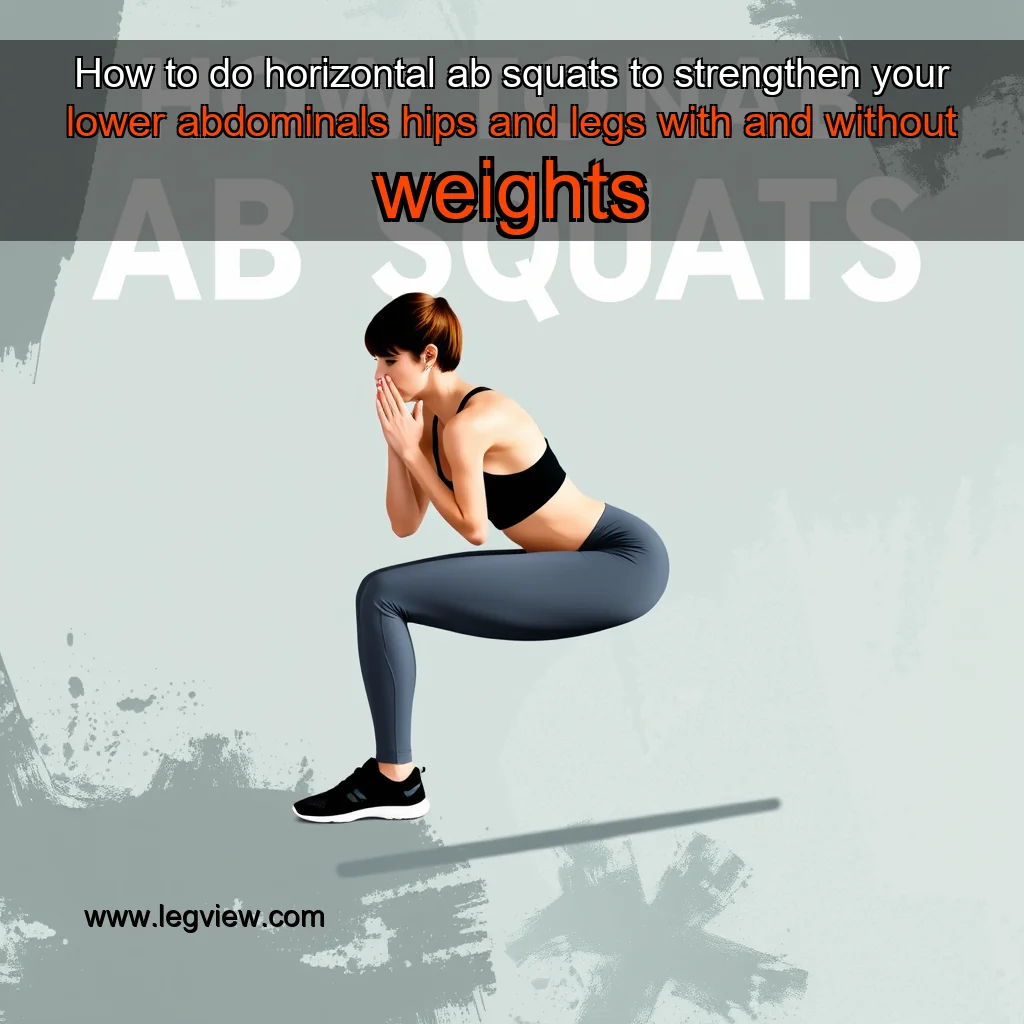
Here are some variations of the horizontal ab squat:
Variations of the Horizontal Ab Squat
The correct body position is crucial to executing a proper downward-facing dog, or adho mukha svanasana. This pose involves a series of movements that require focus, flexibility, and control. As you lower your body toward the mat, you’ll begin to engage your core muscles, which will help you maintain proper alignment and prevent injury. To begin, start on your back with your feet hip-width apart. Bend both knees and lift your feet away from the floor, keeping your weight centered over your hips. This is the foundation of the pose, and it’s essential to maintain a stable base to avoid straining your lower back. As you lift your feet, tuck your pelvis toward you to flatten your lower back to the mat. This will help you maintain a neutral spine and prevent any unnecessary strain on your lower back. Next, place your hands by your sides or behind your head, depending on your comfort level and flexibility. As you lower your body toward the mat, keep your hands in line with your shoulders and avoid letting them sag or drop. This will help you maintain proper alignment and prevent any strain on your shoulders. If you’re using your hands behind your head, be careful not to arch your neck or put pressure on your spine. Instead, focus on keeping your head in a neutral position and your shoulders relaxed. As you continue to lower your body toward the mat, engage your core muscles to maintain proper alignment and prevent injury. This will help you maintain a stable base and avoid putting unnecessary strain on your lower back. Keep your shoulders down and away from your ears, and avoid tensing up or arching your back. Instead, focus on maintaining a long, straight line from the crown of your head to your heels. Once you’ve reached the desired depth, hold the pose for a few breaths and focus on your breath.
The Benefits of Horizontal Ab Squats
Horizontal ab squats offer numerous benefits for the core muscles, particularly the transverse abdominis. This muscle is responsible for stabilizing the spine and pelvis, and strengthening it can improve posture, reduce lower back pain, and enhance athletic performance.
Improved Core Strength
Reduced Lower Back Pain
Enhanced Athletic Performance
How to Perform Horizontal Ab Squats
Step-by-Step Instructions
Tips and Variations
Conclusion
Horizontal ab squats are a versatile and effective exercise for strengthening the core muscles.
This is because the lower abs are connected to the deeper core muscles through a network of muscles and tendons.
The Anatomy of the Lower Abs
The lower abs are a complex region of the abdominal muscles, comprising several distinct muscles and tendons. The primary muscles involved in the lower abs are the rectus abdominis, the external obliques, and the internal obliques. The rectus abdominis is the most superficial muscle, while the external and internal obliques are deeper and more lateral.
The upper abs, on the other hand, are closer to the chest, so movements that engage the chest muscles are more effective.
Understanding the Role of Abs in Core Strength
The abdominal muscles, commonly referred to as abs, play a crucial role in core strength. The core muscles, including the abs, back, and obliques, work together to provide stability and support for the entire body. A strong core is essential for maintaining good posture, balance, and overall athletic performance.
Types of Abs
There are three main types of abs: upper, lower, and obliques. Upper Abs: These muscles are located closer to the chest and are responsible for movements that engage the chest muscles, such as pushing and extending the arms.
Isometric exercises are a type of strength training that can be done anywhere, anytime, without the need for any equipment or a gym membership.
Isometric Exercises: A Convenient and Effective Way to Build Strength
Isometric exercises are a type of strength training that involves contracting muscles without moving the joints. This type of exercise is often misunderstood, with many people believing that isometric exercises are not effective for building strength. However, this couldn’t be further from the truth.
Benefits of Isometric Exercises
Isometric exercises offer several benefits, including:
Isometric exercises can be done anywhere, anytime, without the need for any equipment or a gym membership. This makes them an ideal option for individuals who are short on time or prefer to work out at home.
How to Perform Isometric Exercises
Isometric exercises can be performed in a variety of ways, including:
To perform an isometric exercise, follow these steps: