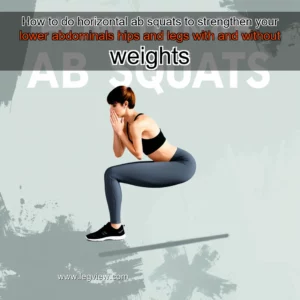
While these exercises may seem effective in the core and ab strengthening, they can also lead to overuse injuries and imbalances in the body.
The Problem with Isolation Exercises
Isolation exercises, such as L-sits, single leg raises, and other similar movements, are designed to target specific muscle groups. However, they can also lead to overuse injuries and imbalances in the body. Overuse injuries: Isolation exercises can put repetitive stress on the muscles and joints, leading to overuse injuries such as tendonitis, stress fractures, and muscle strains. Muscle imbalances: Isolation exercises can also create muscle imbalances, where some muscles become overactive and others become underactive. This can lead to poor posture, decreased mobility, and increased risk of injury.*
The Benefits of Functional Training
Functional training, on the other hand, focuses on exercises that mimic real-life movements and engage multiple muscle groups simultaneously. This type of training can help improve overall strength, stability, and mobility. Improved strength: Functional training can help improve overall strength by engaging multiple muscle groups simultaneously. Improved stability: Functional training can help improve stability by engaging the core and other stabilizer muscles. Improved mobility: Functional training can help improve mobility by engaging the muscles that control movement.
The Importance of Core Strengthening
Core strengthening is essential for overall stability and mobility.
Or it could be like a plank, where you’re holding your body up in a straight line. For the average person, core compression might mean something entirely different. For them, it could mean feeling like they’re being squeezed or compressed, like their stomach is being pinched or their back is being compressed. This is often referred to as visceral compression.
Understanding Core Compression
Core compression is a term that has gained popularity in recent years, particularly in the fitness and wellness communities. However, its meaning can vary greatly depending on the context and individual perspectives. To gain a deeper understanding of core compression, let’s break down its different components and explore its significance in various aspects of life.
Physical Core Compression
For professionals, core compression can refer to the physical engagement of the core muscles. This can manifest in various exercises and activities, such as:
These exercises and activities require the core muscles to work together to generate power, stability, and control. By engaging the core, individuals can improve their overall strength, flexibility, and athletic performance.
Visceral Compression
For the average person, core compression can take on a different meaning. Visceral compression refers to the sensation of being squeezed or compressed, often in the abdominal area.
Benefits of Bodyweight Exercises
Improved Muscle Strength and Endurance
Bodyweight exercises are an excellent way to build muscle strength and endurance. They work multiple muscle groups simultaneously, which can help improve overall muscle function and reduce the risk of injury. For example, push-ups, squats, and lunges are effective exercises that target the chest, legs, and core muscles.
The triceps, however, are the primary muscles responsible for extending the elbow joint. When you push up, your triceps contract and straighten the elbow, which is why they are the most worked muscle in the push-up.
Understanding the Muscles Involved
When performing a push-up, it’s essential to understand the role of each muscle group involved. The primary muscles responsible for the movement are the triceps, chest muscles, and deltoids. However, the triceps are the most critical muscle group, as they are responsible for extending the elbow joint. The triceps are a group of three muscles that work together to straighten the elbow joint. The chest muscles, also known as the pectoralis muscles, help to stabilize the body and maintain a tight core. The deltoids, or shoulder muscles, assist the movement of the arms and help to control the movement of the body.
The Importance of Proper Form
Proper form is crucial when performing a push-up.
Squats are a compound exercise that targets multiple muscle groups.
Mountain Climber: Run in place while lifting your knees high to target your core and legs. Plank: Hold a position with your hands under your shoulders and your toes on the ground, engaging your core and maintaining a stable position. Russian Twist: Twist your torso while holding a weight or medicine ball to target your obliques.
The Benefits of Pelvic Tilt
Pelvic Tilt is a simple yet effective exercise that offers numerous benefits for the body. By strengthening the core and buttock muscles, it can improve posture, reduce lower back pain, and even enhance athletic performance. Improves posture: By engaging the core muscles, Pelvic Tilt helps to stabilize the spine and maintain a straight posture. Reduces lower back pain: Strengthening the core and buttock muscles can help alleviate lower back pain by providing additional support and stability. Enhances athletic performance: Pelvic Tilt can improve power, speed, and agility by strengthening the muscles used in athletic movements.
The Benefits of Burpee
Burpee is a full-body workout that targets the entire body, including the arms, legs, and core. It is an effective exercise for improving cardiovascular fitness, building strength, and increasing muscle endurance. Improves cardiovascular fitness: Burpee is a high-intensity exercise that raises the heart rate and improves cardiovascular fitness. Builds strength: Burpee targets multiple muscle groups, including the arms, legs, and core, making it an effective exercise for building strength. Increases muscle endurance: Burpee is a high-repetition exercise that can help increase muscle endurance and improve overall fitness.
The Benefits of Mountain Climber
Mountain Climber is a plyometric exercise that targets the core and legs.
Step-ups are a great way to work your legs. You can do them with or without weights. *Benefits of step-ups:**
The Benefits of Step-Ups
Step-ups are an excellent exercise for strengthening your legs and improving overall fitness. By incorporating step-ups into your workout routine, you can experience a range of benefits that will leave you feeling stronger and more confident.
The Science Behind Step-Ups
When you step up onto a surface, you’re engaging multiple muscle groups simultaneously.