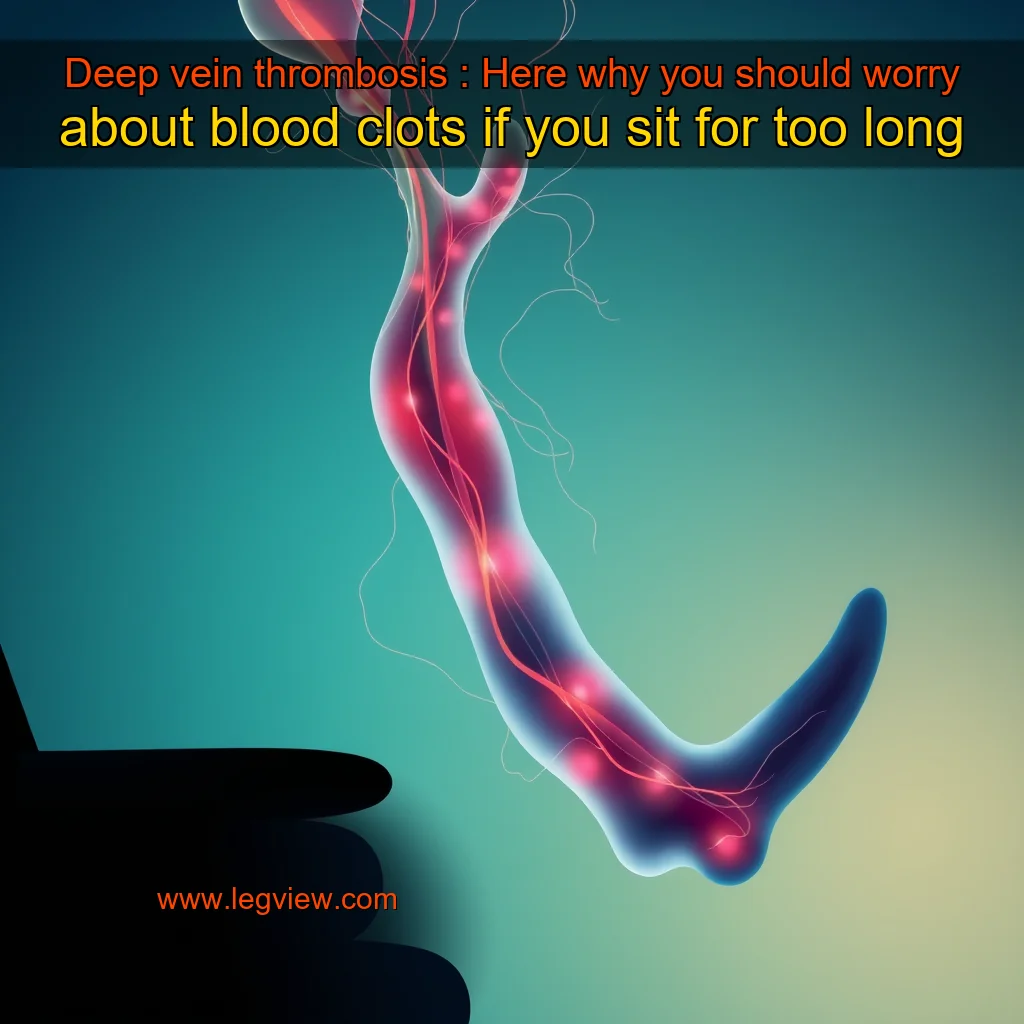
This can increase the risk of developing DVT.
Understanding the Risks of Prolonged Sitting
Prolonged sitting has become a common phenomenon in modern society, with many people spending extended periods of time sitting at their desks or in front of screens. While this may seem harmless, it can have serious consequences for our health. One of the most significant risks associated with prolonged sitting is the impairment of blood circulation in the legs.
How Prolonged Sitting Impairs Blood Circulation
When we sit for extended periods, our muscles are not used as much, which can lead to a decrease in blood flow to the legs. This can cause the blood to pool in the deep veins, increasing the risk of blood clots forming. The deep veins are responsible for returning oxygenated blood to the heart, and if they become blocked, it can lead to serious complications.
Prolonged sitting has been shown to increase the risk of developing Deep Vein Thrombosis (DVT) by up to 30%. This is because sitting for extended periods can lead to blood pooling in the legs, which can cause the formation of blood clots.
The Risks of Prolonged Sitting
Prolonged sitting has become a ubiquitous aspect of modern life, with many people spending hours each day sitting at their desks, in front of screens, or on public transportation. While this may seem harmless, the risks associated with prolonged sitting are very real and can have serious consequences for our health. Increased risk of DVT
The Science Behind Prolonged Sitting
When we sit for extended periods, our bodies undergo a series of physiological changes that can increase our risk of developing DVT. Here are some of the key factors that contribute to this risk:
Break the Habit of Prolonged Sitting and Get Moving Today!
The Importance of Movement and Stretching
Sitting for extended periods can have serious consequences on your overall health. Prolonged sitting has been linked to various health problems, including cardiovascular disease, diabetes, and some types of cancer. The lack of physical activity can lead to a range of issues, from fatigue and decreased productivity to more severe health problems.
The Risks of Prolonged Sitting
Breaking the Habit of Prolonged Sitting
Breaking the habit of prolonged sitting requires a combination of awareness, motivation, and action. Here are some tips to help you get started:
Drinking plenty of water is essential to prevent dehydration.
The Importance of Leg Movement While Sitting
Sitting for extended periods can have serious health consequences, particularly for your legs. When you sit for too long, your blood can pool in your legs, leading to a range of problems. To mitigate this risk, it’s essential to move your legs frequently while sitting.
Benefits of Leg Movement
How to Move Your Legs While Sitting
The Risks of Dehydration
Dehydration can make your blood thicker and more prone to clotting, increasing the risk of blood clots and other cardiovascular problems. Drinking plenty of water is essential to prevent dehydration and maintain healthy blood flow.
Staying Hydrated
Conclusion
By incorporating leg movement and staying hydrated, you can significantly reduce the risks associated with sitting for extended periods.
The Importance of Maintaining a Healthy Weight
Maintaining a healthy weight is crucial for overall well-being, and it’s essential to understand the risks associated with excess weight. When you carry excess weight, it puts additional pressure on your veins, which can lead to a range of health problems.
The Risks of Excess Weight
The Benefits of a Balanced Diet
A balanced diet is essential for maintaining a healthy weight. Eating a variety of fruits, vegetables, whole grains, and lean proteins can help you stay on track. Some key nutrients to focus on include:
Staying Active
Regular physical activity is also crucial for maintaining a healthy weight.