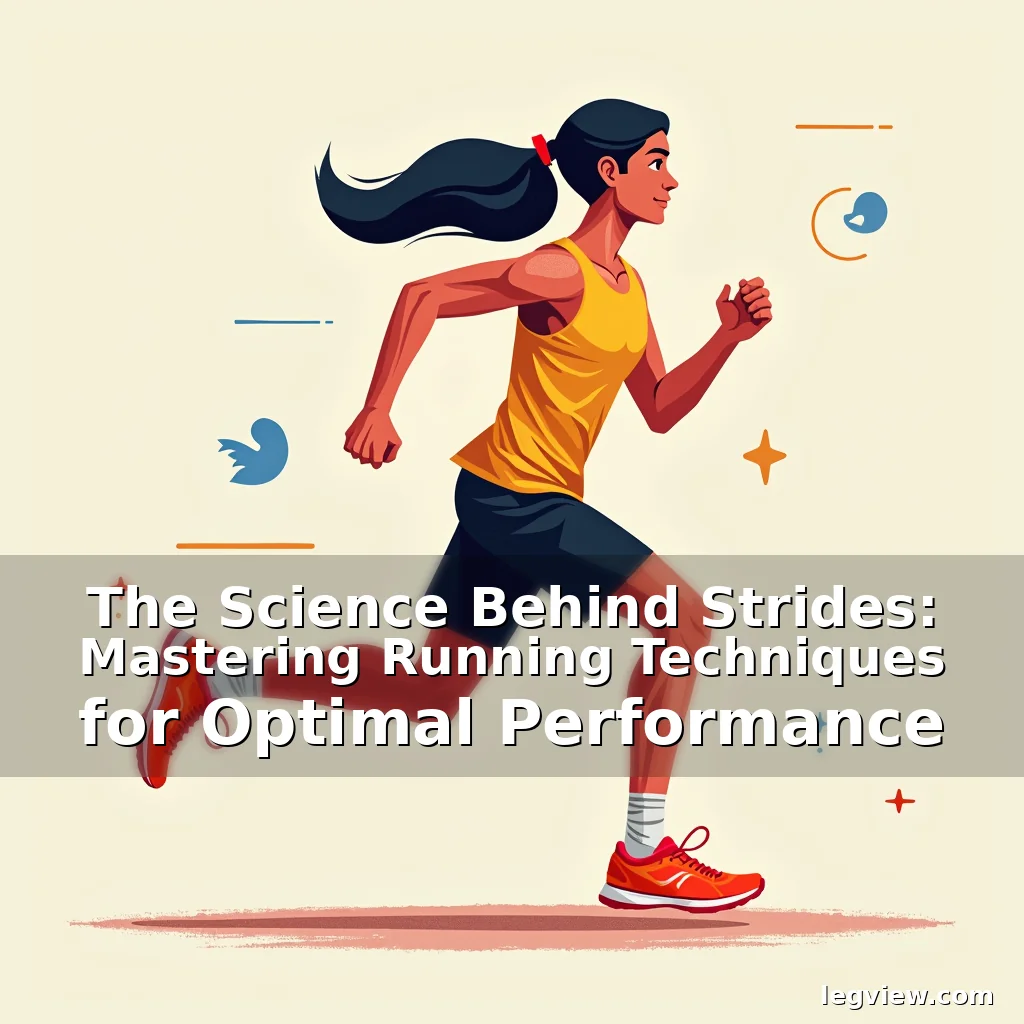
The Science Behind Strides: Mastering Running Techniques for Optimal Performance
In an age where fitness trends come and go, mastering efficient running techniques remains timeless. Whether you’re training for your first 5K or aiming for marathon glory, refining your form can unlock untapped potential.
Proper technique doesn’t just prevent injuries—it transforms every stride into a calculated movement that conserves energy while maximizing speed. This guide explores advanced methodologies backed by biomechanics research.
Understanding Biomechanical Foundations
The human body is engineered as a kinetic chain, where each joint and muscle contributes to propulsion. Efficient runners maintain alignment from head to toe through coordinated neuromuscular activation patterns.
This interconnected system means poor posture at the shoulders can create compensatory movements in the hips, ultimately affecting foot strike mechanics. Awareness of these connections is crucial for performance optimization.
- Midfoot striking: Reduces impact forces by distributing pressure across the forefoot rather than the heel
- Knee flexion angles: Maintaining optimal bend during swing phase enhances shock absorption capabilities
Rhythm & Cadence: The Invisible Engine of Speed
Cadence—the number of steps taken per minute—directly influences running efficiency. Elite athletes typically maintain rates between 180-200 steps/minute to minimize ground contact time.
Increasing cadence reduces overstriding risks, which accounts for approximately 65% of running-related injuries according to the American College of Sports Medicine. Practicing metronomes or music tempo drills helps build this habit.
Anatomical Adaptations to Increased Cadence
Studies show increased cadence leads to reduced hip adductor strain due to shorter stride lengths. However, beginners may experience initial discomfort as their bodies adapt to new neuromuscular pathways.
Gradual progression over six weeks allows connective tissues to strengthen appropriately without triggering injury mechanisms related to rapid adaptation processes.
Vertical Oscillation: The Hidden Energy Drain
Unnecessary vertical motion wastes energy equivalent to carrying extra weight. Top endurance runners exhibit minimal up-and-down movement, focusing instead on horizontal displacement.
Excess bobbing increases oxygen consumption by 15-20%, making it critical to develop a smooth, controlled gait pattern that maximizes forward momentum.
Pose Technique: A Revolutionary Approach
The Pose Method redefines traditional running paradigms by emphasizing gravity-assisted movement. Runners learn to fall forward under gravity’s influence rather than pushing off forcefully.
This approach reduces muscular tension by leveraging natural gravitational forces, allowing for greater economy of motion and decreased metabolic cost per distance covered.
- Falling forward: Creates forward momentum without excessive muscle engagement
- Recovery step: Brings the trailing foot underneath the center of mass efficiently
Footwear Consideration: Beyond Just Comfort
Modern minimalist shoes have sparked debate about barefoot running benefits. While some studies suggest improved proprioception, others caution against sudden transitions that increase stress fractures risk.
Gradual transition programs spanning 8-12 weeks allow soft tissue adaptations necessary for transitioning from cushioned footwear to less supportive options safely.
- Barefoot running: Enhances intrinsic foot muscles but requires careful acclimation
- Minimalist shoes: Offer moderate support while promoting natural foot function
Aerodynamic Optimization: Cutting Through Air Resistance
While often overlooked, aerodynamics play significant role in race times especially beyond 10k distances. Proper positioning and clothing choices can reduce drag by up to 12%.
Elite cyclists use wind tunnel data to optimize body positions; similar principles apply when maintaining slight forward lean and minimizing upper body movement while running.
- Body position: Slight forward tilt reduces frontal area exposed to air resistance
- Clothing selection: Breathable materials decrease turbulence around limbs
Strength Training Integration
Resistance exercises complement running technique by building essential stabilizing musculature. Single-leg squats and lunges enhance balance required for dynamic movements encountered during runs.
Core stability exercises specifically target postural muscles that maintain spinal integrity during high-intensity efforts. Planks and Russian twists are particularly effective for this purpose.
- Hip abductors: Critical for lateral stabilization during turns and uneven terrain navigation
- Gastrocnemius strength: Improves push-off power during acceleration phases
Running Economy: Maximizing Efficiency Per Step
Running economy refers to oxygen uptake at given speeds. Better technique improves this metric, meaning runners expend less energy for same pace compared to inefficient counterparts.
Improving running economy involves optimizing factors such as breathing patterns, limb coordination, and force application timing—all integral components of proper running technique.
Environmental Adaptation Strategies
Outdoor runners must adjust techniques based on environmental conditions. Uphill running demands different biomechanics than flat surfaces, requiring altered stride length and muscle recruitment patterns.
Heat acclimatization protocols include gradual exposure increments while monitoring hydration levels closely. These strategies help maintain technical proficiency even under challenging weather conditions.
- Elevation changes: Require dynamic adjustments in knee flexion angles and torso inclination
- Temperature extremes: Necessitate modified pacing strategies to preserve technical form
Sports Psychology Elements in Technique Development
Consistent technique refinement requires mental discipline akin to skill acquisition models used in sports psychology. Visualization techniques aid in reinforcing correct motor patterns before physical execution.
Setting micro-goals focused on specific technical aspects fosters incremental progress rather than overwhelming attempts at complete transformation simultaneously.
- Mental rehearsal: Strengthens neural pathways associated with desired movements
- Self-monitoring: Allows immediate correction of deviations from target technique
Technique Analysis Tools and Technology
Advancements in wearable technology now provide real-time feedback on various parameters including cadence, ground contact time, and vertical oscillation metrics.
Data analytics software helps identify inefficiencies through comparative analysis with elite benchmarks, enabling targeted improvements in individualized training regimens.
- Force plates: Measure ground reaction forces during stance phase
- Video analysis: Identifies kinematic anomalies not perceptible through self-assessment alone
Nutritional Support for Technical Mastery
Optimal fueling supports the physiological demands of technique-focused training. Carbohydrate availability ensures adequate glycogen stores for repeated practice sessions.
Hydration status affects neuromuscular conductivity, impacting ability to execute precise motor control required for refined running techniques.
- Electrolyte balance: Crucial for nerve impulse transmission and muscle contraction regulation
- Protein intake: Supports repair of soft tissues subjected to repetitive loading stresses
Common Technique Mistakes and Corrections
Overstriding is among most prevalent errors, increasing collision forces upon landing. Shortening stride length while increasing cadence resolves this issue effectively.
Lack of core engagement manifests as excessive trunk movement, reducing overall efficiency. Strengthening exercises combined with mindful awareness rectify this problem.
- Shoulder elevation: Often results from tension, creating unnecessary energy expenditure
- Toe-out positioning: Can cause imbalance if excessively pronounced
Age-Specific Technique Adjustments
Youthful runners benefit from developing fundamental movement patterns early. Emphasis on proper form establishes lifelong healthy habits that protect joints from undue wear.
Senior runners require modifications focusing on joint preservation while maintaining functional capacity. Lower intensity workouts emphasize correct mechanics over sheer volume.
- Joint health: Prioritizing range-of-motion maintenance becomes increasingly important with age
- Load management: Structuring training loads to avoid cumulative damage from improper technique
Gender Considerations in Running Mechanics
Biomechanical differences exist between genders primarily due to anatomical variations affecting muscle distribution and bone structure. These differences necessitate tailored approaches to technique development.
Women generally exhibit wider pelvises influencing lower limb alignment, requiring specific attention to hip stability during running motions. Customizable training solutions address these inherent characteristics.
- Balance requirements: May differ based on skeletal framework dimensions
- Energy conservation: Involves adapting to distinct metabolic profiles
Training Progression Models for Technique Improvement
Systematic progression follows periodization principles ensuring continuous improvement without plateaus. Microcycles focus on specific aspects while macrocycles integrate diverse elements systematically.
Periodic reassessments using objective measures ensure training stays aligned with evolving goals, adjusting emphasis areas accordingly as skills advance.
- Acute overload: Deliberately introduces temporary challenges to stimulate adaptation responses
- Deload periods: Allow recovery while preserving technical gains made previously
Complementary Activities for Enhanced Technique
Cross-training activities like cycling and swimming reinforce cardiovascular conditioning while providing restorative effects on running-specific musculature. These alternatives maintain aerobic base without stressing joints unnecessarily.
Yoga practices enhance flexibility and proprioceptive awareness, both vital components for executing complex running maneuvers accurately and efficiently.
- Dance training: Develops rhythmic coordination beneficial for cadence control
- Swimming: Offers full-body strengthening without impact stressors
Technology-Assisted Feedback Systems
Smartphones equipped with accelerometers track movement patterns revealing hidden inefficiencies. Applications analyze stride symmetry, identifying asymmetries that could lead to imbalances over time.
Virtual reality systems simulate varied terrains allowing practitioners to refine skills in controlled environments before facing unpredictable outdoor conditions.
- Heart rate monitors: Provide insight into exertional thresholds relevant to technique execution
- GPS trackers: Monitor spatial efficiency indicators such as lap times and route consistency
Community Engagement and Social Learning
Participating in group runs exposes individuals to diverse techniques practiced by experienced members within local communities. Observational learning occurs naturally through shared experiences.
Online forums facilitate knowledge exchange about emerging methodologies supported by peer-reviewed evidence, fostering collective growth towards higher standards of performance excellence.
- Coaching clinics: Offer expert guidance unavailable through independent study alone
- Workshops: Enable hands-on demonstrations of complex techniques visually difficult to grasp solely via written instructions
Long-Term Sustainability of Running Techniques
Maintaining consistent technique requires ongoing commitment to regular practice routines. Establishing daily rituals reinforces good habits preventing regression over time.
Regular assessments benchmark progress against personal bests while highlighting areas needing further refinement. This cyclical process sustains long-term improvements continuously.
- Adaptability: Encourages modification of techniques as life circumstances change
- Resilience: Builds mental fortitude essential for overcoming setbacks encountered along journey
Conclusion
Mastering running techniques is an intricate blend of biomechanics, physiology, and mental discipline. It involves understanding how each component interacts harmoniously to produce fluid, efficient motion.
To achieve lasting improvements, adopt systematic approaches integrating scientific principles with practical applications tailored specifically toward personal objectives. Consistency remains key in transforming theoretical knowledge into tangible results.